Aldous Harding: Train on the Island
Kapitál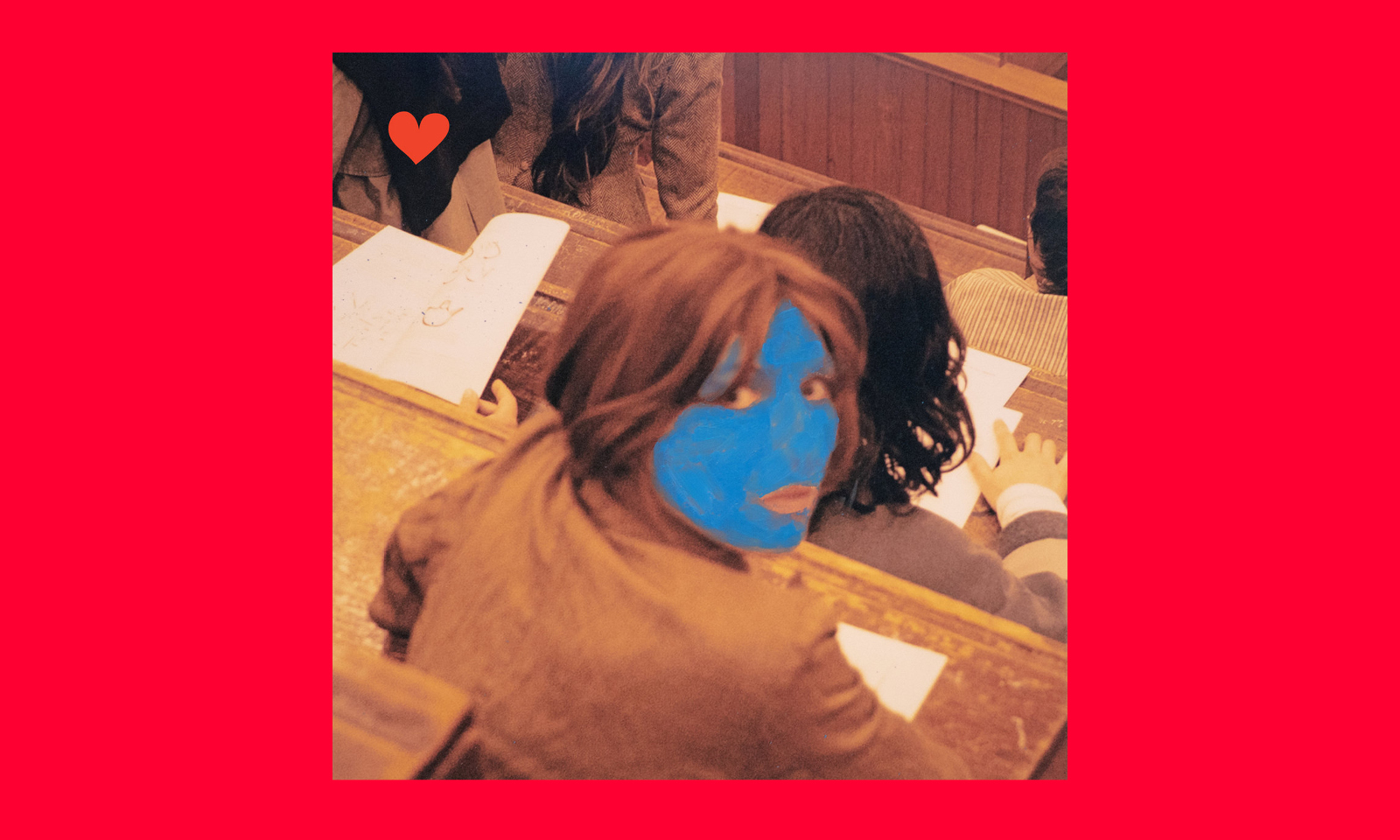
Excellent, mystical, cryptic texts and their sensitive, elegant, theatrical delivery – that is Aldous Harding.
The album by the Australian singer rightly deserved the attention of many critics. Aldous Harding released her fifth project in May, full of beautiful melodic arrangements, but especially outstanding poetic riddles and images.
Excellent, mystical, cryptic lyrics and their sensitive, elegant, acting delivery – that is Aldous Harding. She is capable of naming what remains hidden behind the veil of consciousness for others. The daughter of singer Lorina Harding, whose folk songs are by no means as complex and bizarre as her offspring’s, had long avoided music. She wanted to be a veterinarian, but ultimately follows in her mother’s footsteps, which she also explores in the first track. Metaphors and references could be analyzed for hours; one of them is the repeated verse “I’d like to fly,” which melodically aligns with the same verse in the band Alice in Chains’ track Down in a Hole. The reference has two dimensions – firstly, Aldous is a stage name, she changed from Alice. Secondly, the track Down in a Hole is about suffocating parental desires, connected to her own origins, the first line “Bury me softly in this womb” and the following “Look at me now, a man who won’t let himself be” say it all. The entire first track I Ate the Most describes the same theme.
In the song Train on the Island, she also references a Appalachian song about complications in love and unfulfilled promises. It sounds like a hint at her perception being influenced by ADHD medication. The couplet “Men touched my leg, and I thought: React just like a girl” hits hard, and there are countless similar moments in the album. Harding is very unique, and she fights her otherness in the album. In the first track, she talks about her autism, in the second about ADHD, and in What am I Gonna Do she reflects on what if she’s never studied enough, what if she’ll never be “normal,” there’s a tension between the freedom to be herself and the need for conformity, or the pressure to fit in – which she feels from all sides.
She constantly works with her voice as if it were another instrument, simultaneously switching roles. It may sound trivial, but Harding delivers her lines as if from the perspective of different characters, sometimes feeling despair, other times childish playfulness. If Lady Does It has a repetitive chorus and bridge, both as if each syllable is transferred into the guitar beneath it. In the verses, she doesn’t articulate thoroughly, rather plays with describing a boy from the beach and gentle disgust. She repeats the words in the last line seven times, but they need to be heard multiple times – to absorb them.
The musical arrangements are smooth, harmonious, easy to listen to in peace even without recognizing the depth of the lyrics. Melodies of synthetic piano are edged with gentle percussion, creating a very elegant overall impression. The production is handled by John Parish, who also helped create works for PJ Harvey, for example. Their long-term relationship is reflected in how the simplicity of the musical background fits into the intimate lyrics. For those who had the chance to see the album performed live, Aldous’s persona also materialized – introverted, a bit bizarre, unfiltered, shamelessly experimental. The album repeatedly asks: am I more weird, or special?
Train on the Island is brilliant and will surely appear high on year-end ratings. Listeners might analyze the lyrics for days, but they can also just enjoy the melodies while driving in the car. Harding is a remarkable musician and performer worth paying attention to.
The author is a sociology student and a cultural publicist.