The comic <em>Impenetrable</em> reminds us that we have not learned to talk openly and honestly about intimacy.
Kapitál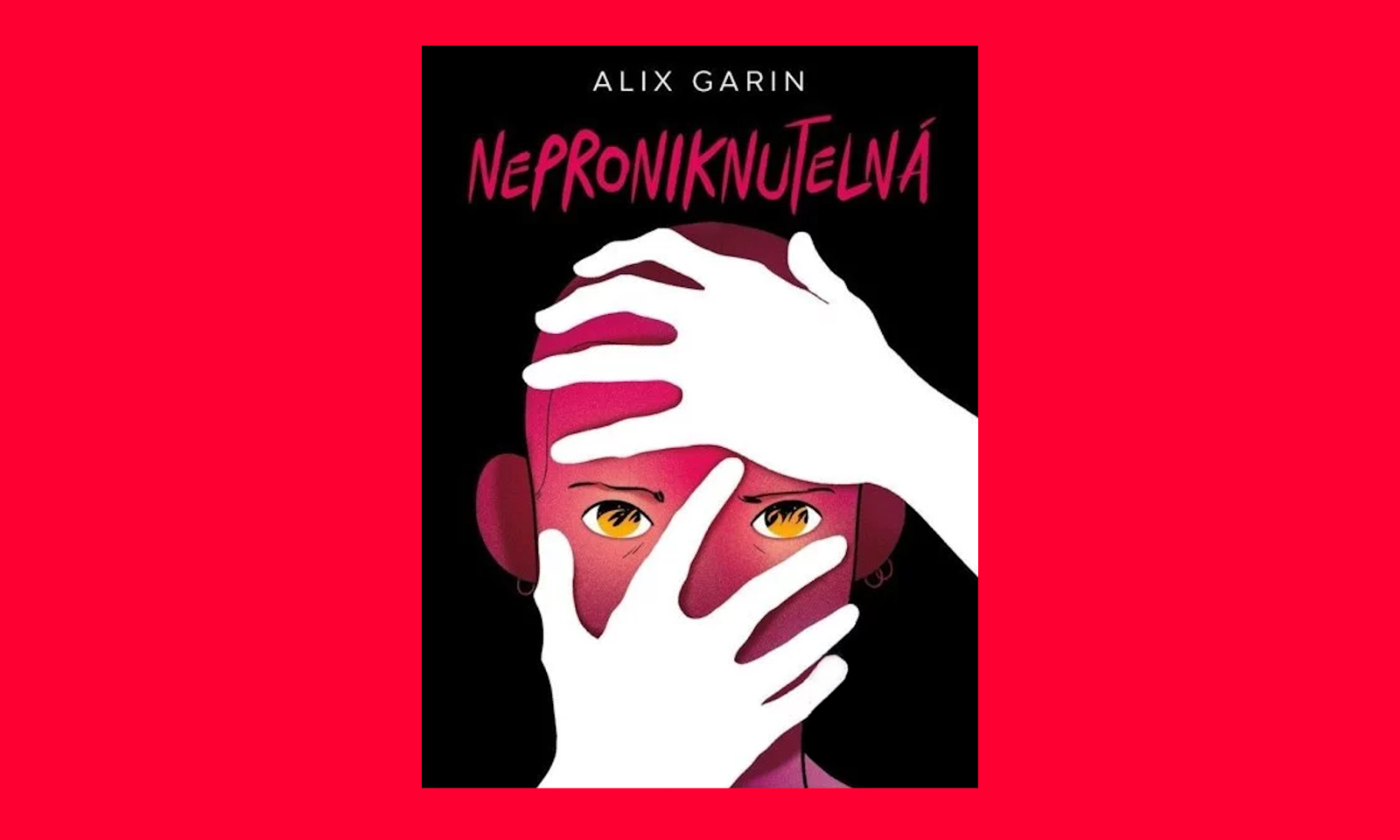
How to cope with problems in intimate life when pain and fear disrupt the relationship? What does a comic about finding one's boundaries and mental healing reveal about a topic that is still taboo?
How often should one have sex in a healthy relationship? Is it normal if a person feels a little forced into it, or if they don't want to have it at all? These are questions posed by the main heroine in the exceptional comic Impenetrable in its introduction. During sexual intercourse with a long-term partner, she initially started feeling pain and then an inexplicable fear, even though she considers their relationship to be safe and loving. Gradually, she completely loses her desire for physical contact and seeks connections between her mental and physical experiences. She first turns to Dr. Google and later to several "experts and specialists." Finding the root of the problem is not at all easy, especially in a world where sex is constantly reminded to her at every turn. "I wished so much that someone at that time would have said that it doesn't matter," the heroine reflects in one of the scenes.
Belgian author Alix Garin attracted attention five years ago with her debut Ne m’oublie pas (Don't Forget Me), in which a granddaughter searches for her grandmother's childhood home, who suffers from Alzheimer's. After her first book, which was partly inspired by her personal experience, she wanted to focus on a completely fictional story (as she stated in an interview for the magazine Lingeur). However, she found that it made more sense for her to tell a story about the difficulties she was currently experiencing. She considered it important to break taboos, and the only way she saw was to be as honest and specific as possible. Even at the textual level, the comic is extraordinarily powerful; the dialogues (both internal and with other characters) are written in a very simple, concise manner, yet they do not omit any details that could be significant. The theme of establishing healthy boundaries is divided into two parts: in the first part (Healing), the heroine discovers her own boundaries, and in the second (Recovery), she tries to communicate them to her surroundings.
The visual aspect of the comic helps communicate bodily sensations that can be difficult to name or simply explain, and Garin uses many visual metaphors (razor blades, flames, thorns) to intensify the theme. It works brilliantly when she wants to highlight the heroine's inner experience; she blurs the background or lets it completely dissolve into a spray-like structure. Although the characters are quite stylized and resemble manga, it does not seem childish; rather, it gives the author the freedom to express their feelings more expressively. At the same time, this approach allows her to introduce more lightness and humor into the often heavy story.
Impenetrable may remind readers of two important comic works. In the Czechoslovak space, three years ago, Srdcovka by Štepánka Jislová made an impression, which similarly addressed the issue of modern relationships in a relaxed and understandable way. Like Garin's comic, her heroine's journey was towards a better self-awareness. In the Francophone environment, many taboos were broken in the 1990s by the work of author David B. titled Epileptic. In this autobiographical comic, the author dealt with his relationship with his brother, who suffered from severe epilepsy. When communicating about bodily themes, he also used various surreal images, and although it did not lead to a happy ending, his family, like in this new work and also Alix's, visited many dubious healers on the path to recovery. Sex is often written about in tabloid media with big headlines; the word itself draws attention because, as Garin reminds us, we still haven't learned to talk about it freely, soberly, and honestly. Impenetrable also offers a cathartic experience.
GARIN, Alix: Impenetrable, 2026, 304 pages. Translated by Sára Vybíralová.