Humanize the step
Kapitál
I have been living in Patagonia for almost a year. I turned to Kukučín's texts because I was looking for the Patagonian Jalovica or the steppe Ondráš Machuľa. I wanted to know how he dealt with the emerging colonial project both literarily and personally during his sixteen years of activity, which was carried out here through ethnic cleansing, genocide of the indigenous population, and massacres of anarcho-syndicalists in the early 20th century. Kukučín Slovakized the Chilean-Argentine Patagonia, humanized the steppe, and took me through its ecstatic emptiness. However, I also found Bencúro's name on the list of activities of the fascist Patriotic League, and he is also listed as the owner of a farm near where a massacre against striking anarcho-syndicalists took place.
I have lived in Patagonia for almost a year. I turned to Kukučín's texts because I was searching for the Patagonian Jalovica or the steppe Ondráš Machuľa. I wanted to know how he dealt both literarily and personally during his sixteen years of activity with the ongoing colonial project, which was carried out here through ethnic cleansing, genocide of the indigenous population, and massacres by anarcho-syndicalists* at the beginning of the 20th century. Kukučín Slovakized the Chilean-Argentine Patagonia, humanized the steppe, and led me through its ecstatic desolation. However, I also discovered Bencúro's name on the list of activities of the fascist Patriotic League and he is also listed as the owner of a farm near which a massacre against protesting anarcho-syndicalists took place.
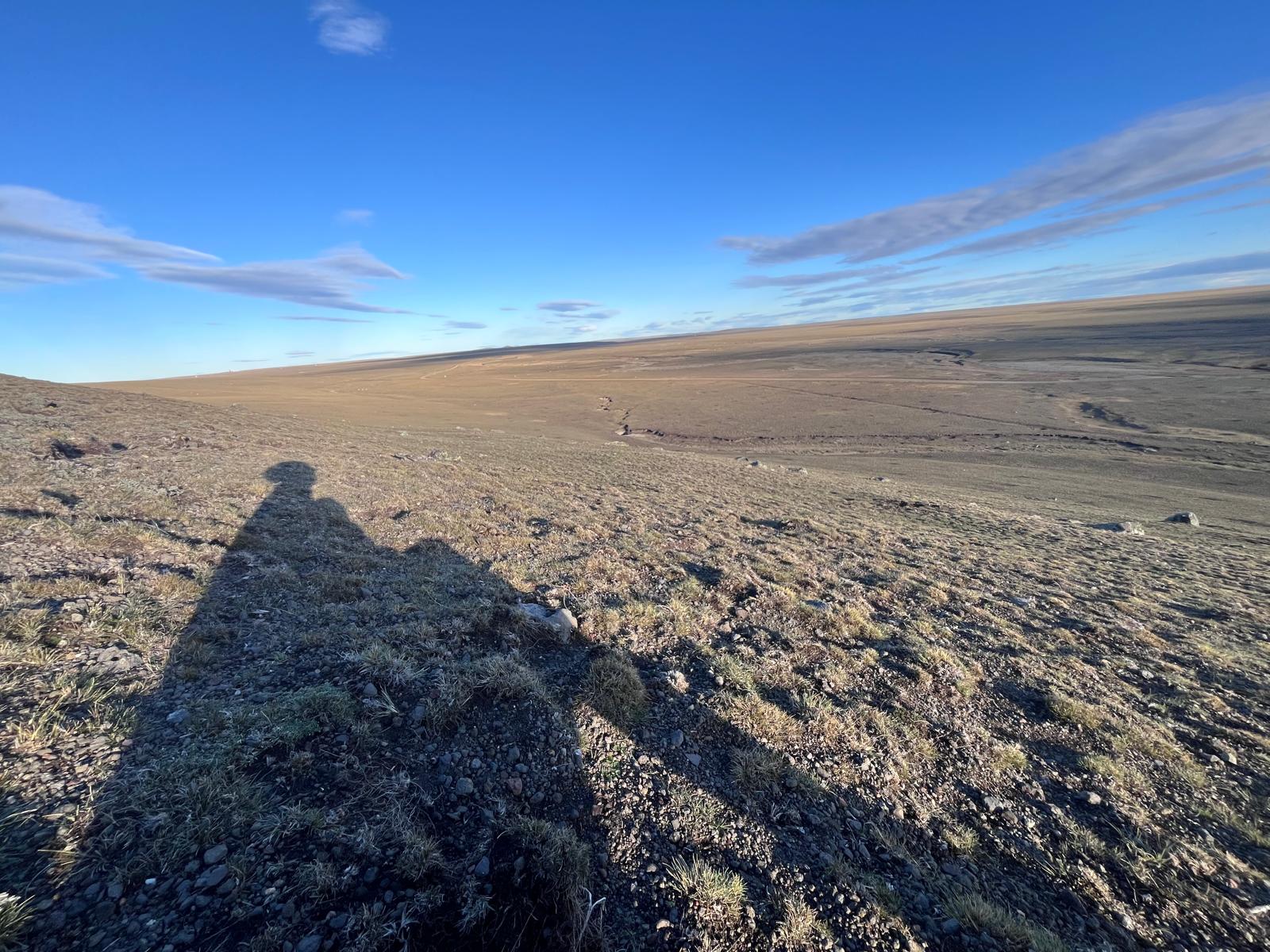
The steppe is said to resemble a piece of yellowed meat. Oksana Vasjakinová described this bioma in her book Steppe when she traveled across Eurasia with her trucker father. When I look out the window at the Patagonian steppe, I see how this metaphor materializes. I observe its fleshy permeability and porosity of the steppe clumps. The steppe infiltrates the bodies of dead llamas, torn horses, and sheep bones. It changes everything within itself. When it takes hold, fungi even grow nearby, and the grass is greener than the predominant brown-golden flora. I see nettles and, in spring, flowers as well.
During the first weeks in this place, I had an intense urge to stop and absorb the dissolved horizon. Without a dome, I have only a few meters above my head. I feel that something has torn apart the hemisphere above us, and it is more of a straight line than an arch. I have discovered here a nostalgia for the impression of rounding. The sky does not embrace here as it does at northern latitudes. It is not the egg-shaped dome that gently encloses you with ozone to prevent you from falling out of orbit. The European-defined inhospitability of Patagonia is associated precisely with a certain impression of infinity that unsettles. The steppe was for them an unpredictable emptiness to be subdued.
There are no trees or mountains here. But sometimes, from the steppe, elegantly rounded drumlins rise, hills of accumulated sediments dragged here by retreating glaciers tens of thousands of years ago. They resemble an inverted spoon, a whale's belly, or a half-buried egg in the earth. In short, one must reconcile with the feeling of radical horizontality.
Kukučín's Steppe
According to Martin Kukučín, the steppe is inexhaustible. He was aware of its "ability to wound," but also recognized that in it "one will find balm for wounds again, heal them quickly, compensating for the damage many times over." When I read Walks in Patagonia, which he wrote under this sky, I feel that he sometimes must have felt lonely and wanted to step off this line and seek the dome of the Orava sky. He observed the steppe up close. He noticed how it can open, how mountains recede to the side, how others grow or wait for development. "Pampa is silent and vast, it does not want to inspire even a fleeting thought," he wrote from the perspective of a bird that thinks, judges, sulks, and hypocritically twists. He envied the steppe people "the peace of mind and body and above all the freedom, which is greater here than where the world is densely packed."
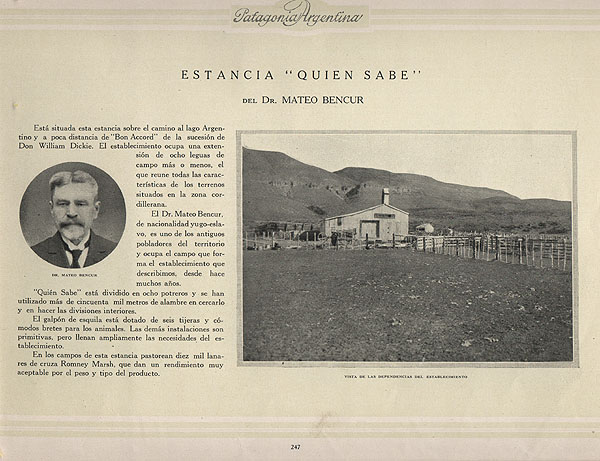
Mateo Bencur, as he is known here, mainly wandered the Patagonian steppe in the summers of 1907 to 1923. He was the inspiration for his three-volume Walks in Patagonia and the five-volume Mother Calls. However, his wandering was not entirely aimless or purely recreational. His first work documents trips to a sheep farm, the Quien Sabe estancia near Calafate, of which he was a partner. Estancias are large farm complexes covering thousands of hectares and were both a means and an end of European colonization of Patagonia.
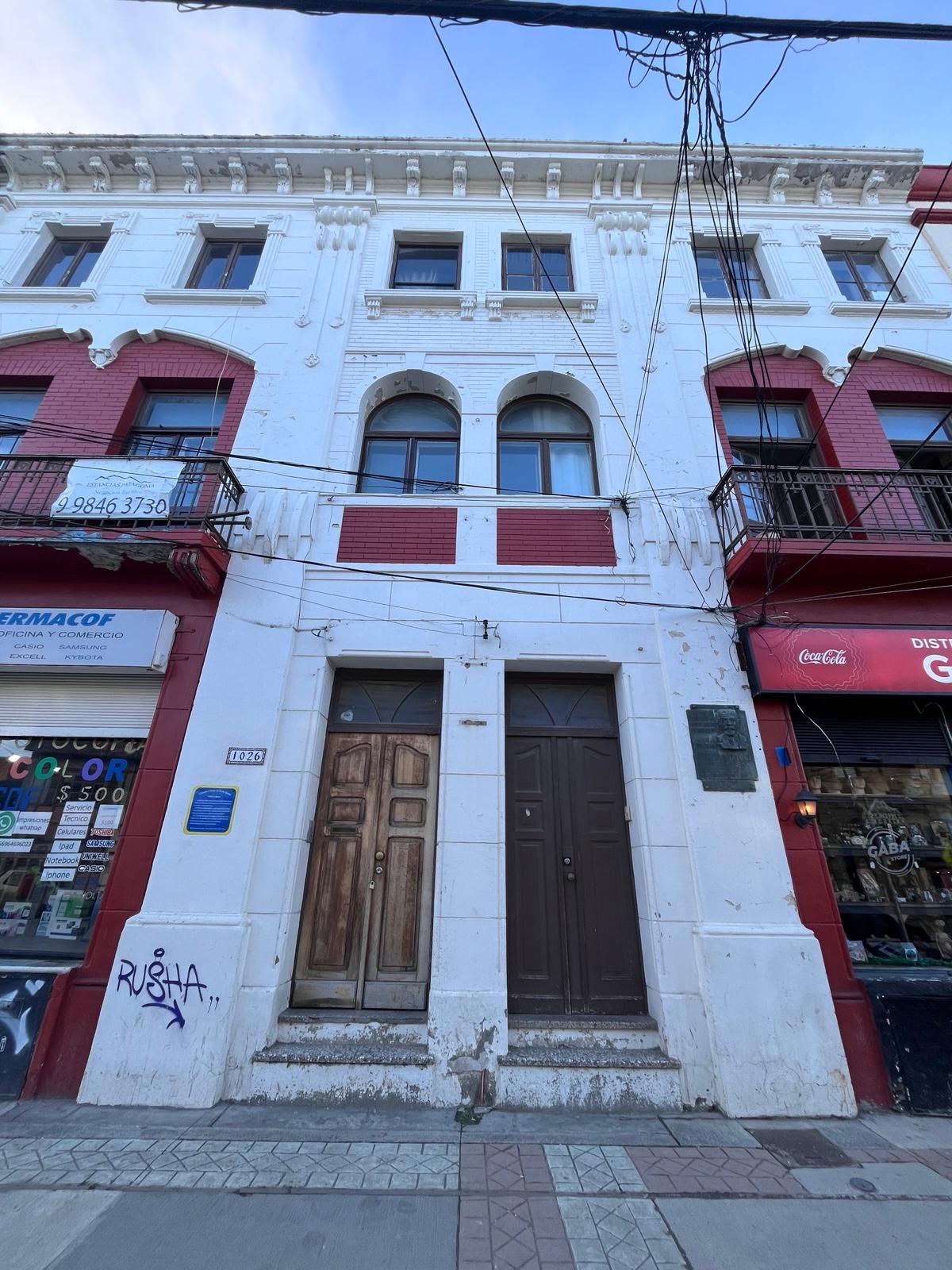
He traveled to the steppe from the emerging cosmopolitan center of Punta Arenas on the coast of the Magellan Strait, where he worked as a doctor and was part of the upper social class of European immigrants. Many sought refuge here from European wars or economic pressures. We also know that he led the Red Cross, and today the clinic bears his pseudonym. On the occasion of the 150th anniversary of his birth, Punta Arenas residents remembered him as "an educated, prudent, and kind person, who often did not charge for his consultations and even paid for medicines out of his own pocket for poorer patients." I only learn about his entrepreneurial activities or political stance during the anarcho-syndicalist strikes known as Patagonia Rebelde in bits and pieces, which I try to piece together.
Against the Deafening Curtain
I shuttle between Punta Arenas, the rural steppe areas of the continent, and the island of Tierra del Fuego, where I am researching for my dissertation on green energy extractivism. I often walk across volcanic fields. Kukučín's Slovakization of the steppe suited me. Sometimes I want to see more lakes than lagoons, sheep from the Levoča pasture rather than breeds bred by the English, and believe that these brutally red sunsets could be happening behind my grandfather's barn. Over two afternoons, I read Michaela Rosová's Guide to K. In her book, she journeys through Kukučín's work and life, approaching what remains in the space of biographical silence—especially his years in Latin America. Rosová temporarily made Kukučín her roommate. She depicts him in a hut, just as I now wait out, while the men finish the fence and take me back to the village. Kukučín watches the sunset, describes sheep and llamas, and can express the quality of the Patagonian silence. Michaela Rosová, based on a comment by another literary critic, reflects that by humanizing animals and inanimate objects, Kukučín pushes people into the background. Some say that this way, he disturbs the established hierarchy and removes humans from the superiority secured by Enlightenment divisions of nature and culture. That is, by uprooting humans from the land, sea, desert, and steppe, and enclosing them into intellect, morality, and history. Rosová ponders: And could it be that Kukučín truly perceives the world this way? That the steppe is alive and capable of responding to him?
Certainly. The world has always been, and still is, full of persons and communities that refuse to live in a country as a deafening curtain. In recent months, I have been a participatory observer of an uninterrupted dialogue among women, the world of fungi and birds, seaweed gatherers, fishermen, and the tides, between guanacos and barbed wire fences. The steppe also stimulates the experience of grace, which temporarily suspends the categories of humanity and animality, allowing bodies and landscapes to recognize the impression of rounding within themselves. We resemble the territory in which we live. But how does one become part of the territory we occupy, into which we were sent, or into which we have taken refuge?
Humanizing the Steppe as Animalization of People
The metaphor of the steppe as inexhaustible emptiness can only be maintained if we erase the political and environmental memory of this territory. It is precisely this metaphor that, over the past 150 years, has allowed the creation of a version of Patagonia as a space of mass destruction or accumulation of bodies, territories, and relationships between them.
"The conquest of the desert" in Argentina and "The pacification of Araucanía" in Chile were the names of systematic military operations from the late 19th and early 20th centuries, aiming to incorporate the steppe and all of Patagonia into the capitalist production of nation-states. Extractivist violence, which began with gold, expanded through sheep farming, oil, and natural gas, and today continues with the construction of green hydrogen infrastructure and data centers, started with the mass cleansing of the indigenous population and reorganizing local socio-ecologies. That is, the deep relationships through which this climatic and social refuge was created. Despite the territory being inhabited for the last 11,000 years, its "pioneering character" and colonial identity were stamped by scientists and adventurers like Charles Darwin, gold prospectors like Julius Popper, or entrepreneurs with sheep wool and meat like José Menéndez. The metaphorized landscape is prone to becoming vulnerable to aesthetic romanticization, which encloses it in romantic tourist gazing from outside, and to capitalist exploitation that impoverishes it from within.

"The conquest of the desert" required infrastructure. Alfred Ébelot, one of its architects, claimed in 1881 that investments in cattle breeding and agriculture required prior "clearing" of the territory from the indigenous inhabitants. Part of the strategy was to parcel out and fence the land. "Such a fence, if you want to know, usually consists of seven wires running parallel one above the other. They are carried along the entire route that leads through Patagonia," Kukučín says in Walks. The design of the fences took into account the height of sheep, wind strength, material durability, and the relative simplicity and speed of construction. This colonial fiction of the economic potential of "no man's land" resulted in genocide and systematic oppression of indigenous peoples: Selk'nam, Haush, Yagán, Kawésqar, and Aónikenk.
Genocide
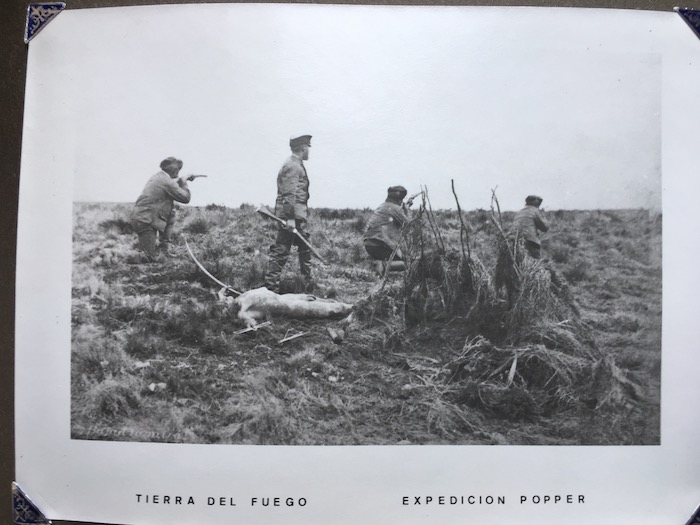
The genocide of the indigenous population was carried out through several interconnected mechanisms, direct killing, for which estancieros paid rewards and demanded proof in the form of ears or other body parts, concentrating survivors into Jesuit missions that served as concentration camps or pushing them to the steppe northward. The last Jesuit mission was closed in 1916. Part of the genocide also involved forcibly transporting the indigenous to Europe, where they were exhibited in so-called human zoos. The extermination was an exotic spectacle for European audiences.
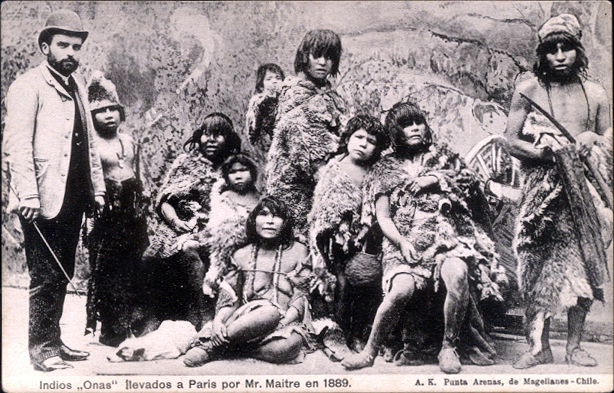

The newspaper El Chileno provides a scene of the removal of Selk'nam children, which the author describes as "the most horrifying thing he experienced in his life." Parents, fearing for their children, "left their usual calmness and with terrible screams and desperate gestures tried to defend them." Anthropologist Martín Gusinde later wrote about the widespread social consensus among wealthy families to accept kidnapped Selk'nam children into their households as servants. Most died of whooping cough, measles, and tuberculosis.
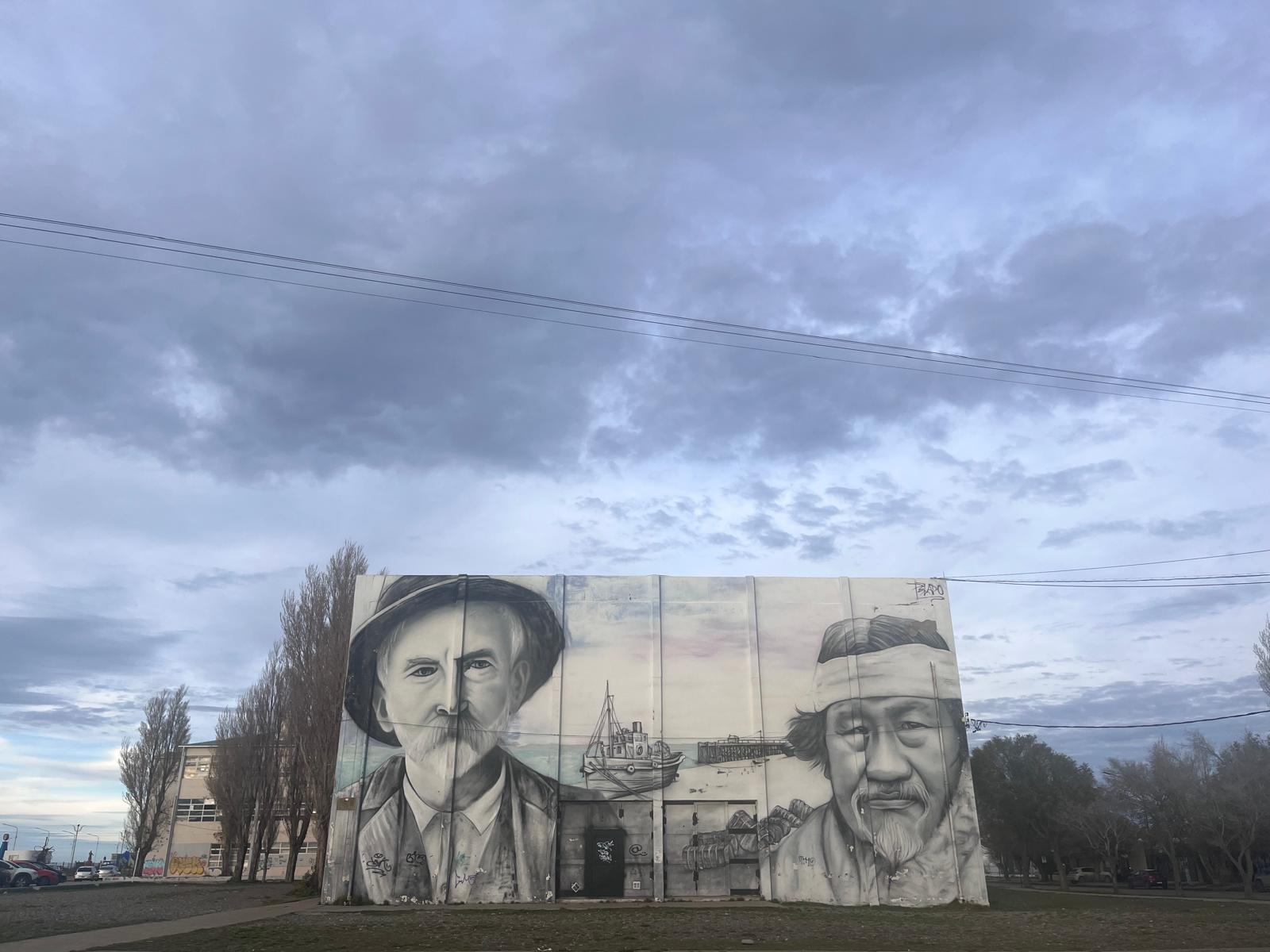
"All the children in this house we owe in one way or another to Dr. Mateo Bencur. He helped us recover from scarlet fever and the terrible whooping cough. In his rough waterproof coat, with a wide hat, a cane, a pointed beard, and boots, wrapped in a thick woolen scarf around his neck, he would climb the steep streets full of frozen puddles or sticky mud during harsh winter nights. (...) Anytime, any day, at any hour," writes Croatian Nicolás Mihovilović in From afar forever. Whether among Bencur's patients there were also Selk'nam children I have yet to find out. I also do not know if, in 1911 in Punta Arenas, he met with the nuns and priests of the Salesian order and the 25 surviving members of the Selk'nam nation on the way to the La Candelaria mission in Argentina. They were relocated there after the rest of their community died from measles, tuberculosis, syphilis, and scarlet fever.
"Once there were impenetrable mountains and forests here. The habitat of Indians and a hideout for wild animals. Now, there are fields almost as bare as elsewhere in the vicinity of towns. The mountains have burned out, actually they have been burned, and something has surely been cut down. The Indians have died out or become extinct. Perhaps something else, maybe even exterminated them: maybe yes, maybe no; if yes, then only to regret that it happened."
Walks in Patagonia
In Kukučín's Mother Calls, we learn mainly about the inner world of Slavic immigrants and the emerging South Slavic diaspora at the end of the world. We read about their sadness for the homeland, but also about their ingenuity and entrepreneurship. Škultéty, in personal correspondence along with the first draft of the book, writes: "There I met South Slavic wealthy people and leaders and I got to know them as all remarkable people, whom their nation can be proud of. It is the most beautiful flower of Dalmatian talent, which blossomed here under a foreign sky and in a foreign land as proof that Slavs are capable like few nations in the world."
However, work on South Slavic, English, and Spanish estancias fell on the shoulders of a different social class of migrants. Among them were also those who exported unwanted anarchism from Europe to America. "Switzerland and other European countries rid themselves of anarchists by deporting them to America," complained a Brazilian police officer in 1901.
Kukučín, in his texts, notices human greed, depicts it, and mocks it. And not only at home – he is also aware of the corruption and greed of colonial domination. In Mother Calls, which was published after his return to Europe, he also speaks about the essence of social inequality that prevailed in the region as a consequence of the economic crisis after the opening of the Panama Canal in 1914.
"He felt the burden of forced labor more than ever before on his shoulders. It was almost as if he had fallen into slavery. (...) The Záhorský peasant's cuckoo does not sing behind the plow; he must descend into the depths of the earth for black diamonds. Another peasant is almost stripped naked. (...) Where is the power to loosen the hands of the working people and restore their freedom of labor?"
We know little about the political resistance and subsequent massacres committed against these migrants.
The Cowards, Ondrášs, and Anarchists*
Working on a ranch at the beginning of the 20th century meant to toil in -18 degrees Celsius for 16 hours a day, with hands frozen from cold and wind, 30 days a month – for food bought from the owner, and a cold, uncomfortable night’s rest. Sharing such conditions in semi-rocky employment helped create an unusual solidarity. It grew into the most significant form of anarcho-syndicalist resistance in the Cono Sur region.
European anarchists, together with migrants from Chile's Chiloé Island, and probably assimilated indigenous workers, founded in 1901 on the Argentine side of Patagonia the Federación Obrera Regional Argentina (FORA), and in 1911 the Federación de Trabajadores de Magallanes (FOM) based in Chilean Punta Arenas. Besides political camaraderie, materialized in the publication of subversive press, these organizations also participated in literacy campaigns. The Nobel laureate Gabriela Mistral also came to support this effort, with whom Bencur met. Women also actively participated in these political processes, although their role in the events of Patagonia Rebelde is poorly documented. Unions soon resorted to protest actions. Official authorities and estate owners responded with repressive measures. In July 1920, a strike broke out on the Chilean side, which was suppressed; in August, strikes followed in Santa Cruz province on the Argentine side. These culminated in the burning of the FOM headquarters—organized with the support of estate owners by the police and the nationalist and para-state organization, the Patriotic League (founded in 1919 by Manuel Carlés as a reaction to the strike and subsequent repression of butchers in Chilean Puerto Natales)—and the murder of at least ten syndicalists.


"It must also be admitted that if the wealthy are rich, they deserve their wealth with full right. They have eaten enough of kobylia meat before overcoming the enormous difficulties of the early days. Here, there was nothing but empty pampas; even worse, the whole area was turned into a fortress, and hordes of Indians on their horses, hunting guanacos and ostriches, were galloping around. There were no roads, no place to build houses, no market for wool and meat. They lived a hermit's life, full of discomfort, work, and austerity. Later, of course, everything changed. Traffic was established, meat and wool began to sell reasonably well. Today, one can even afford good pâté and pies. Those who were frightened by the initial difficulties and turned to a second, more comfortable and profitable trade, now scratch their heads and regret."
Walks in Patagonia
The Sheep of Thorns and Machuľa – Landlord
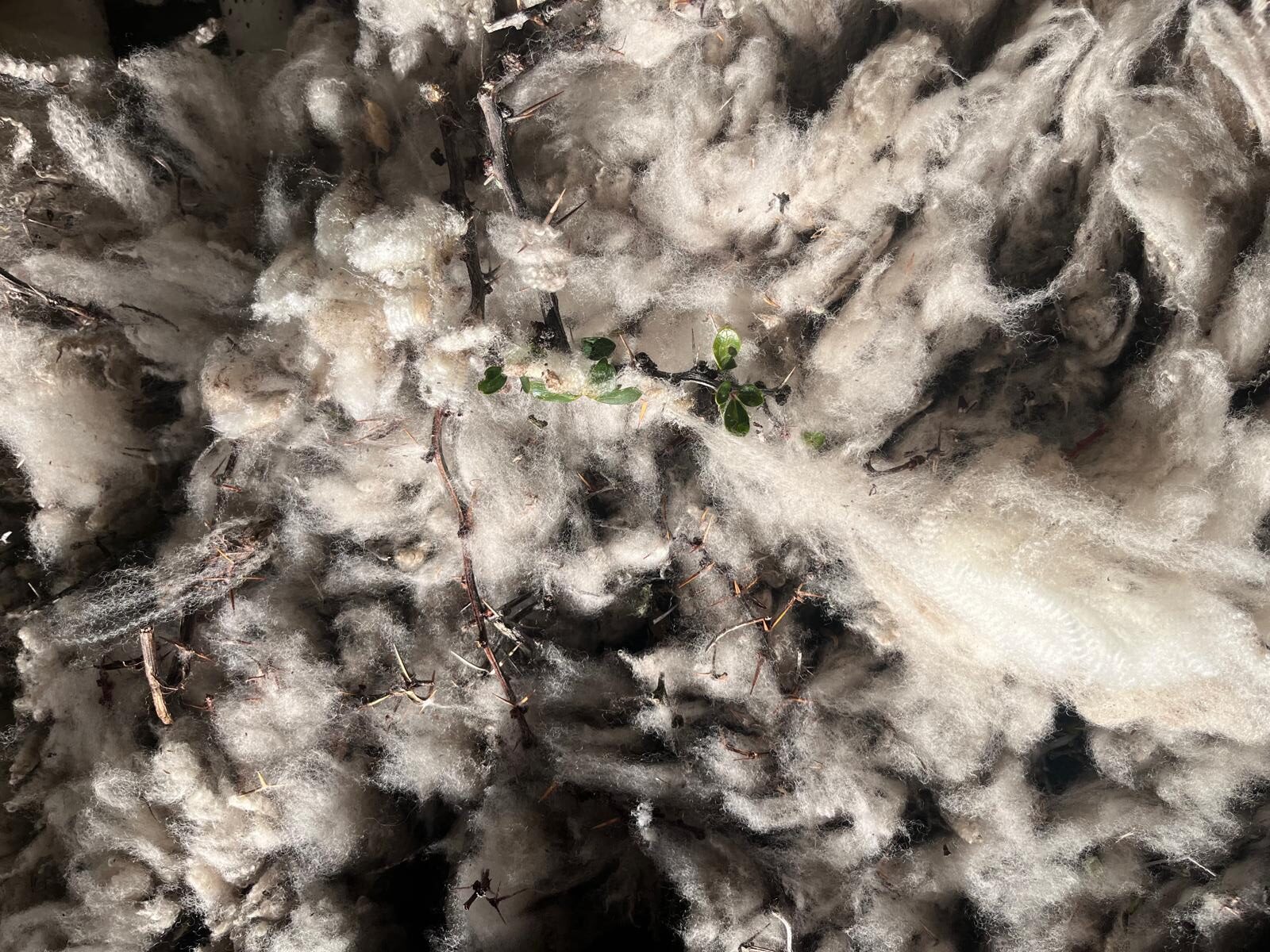
We arrived at the estancia in Tierra del Fuego at night. Our rooms are cold and unventilated. Heating only in the communal dining room. Today we wake at five. Breakfast at half past five. Bread with rhubarb jam and coffee with powdered milk. No fruit here, and vegetables mainly during the season. Before dawn, we go to the sheep shed full of sheep. Young, muscular men with tattooed arms and T-shirts with logos of various shearing olympiads prepare their shearing machines. The shearers are steppe freelancers. Each has their own machine costing about three months' salary, their own strategy, and technique. Their work is judged by the shorn sheep, not by hours, as is paid to me and my friend Siena, a wool and fleece picker. The rhythm picks up pace. This estancia has 2,500 sheep, each pregnant. That’s why this cycle is called pre-lambing – pre-lambing shearing. They shear to make it easier for lambs to reach the udder, to lighten the sheep for summer, to get rid of parasites and thorns, and to help the owner stay afloat in the declining Merino wool market.
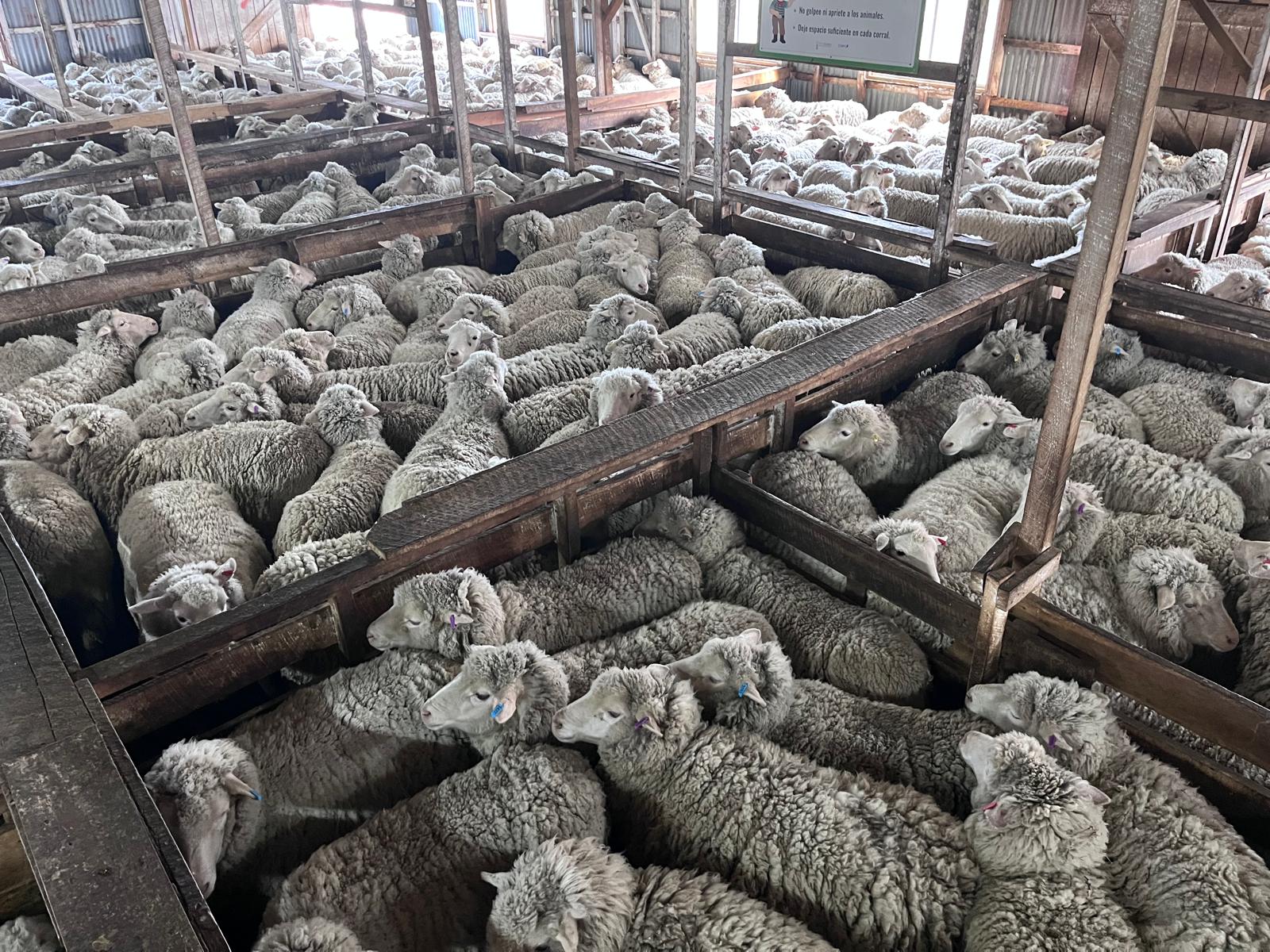
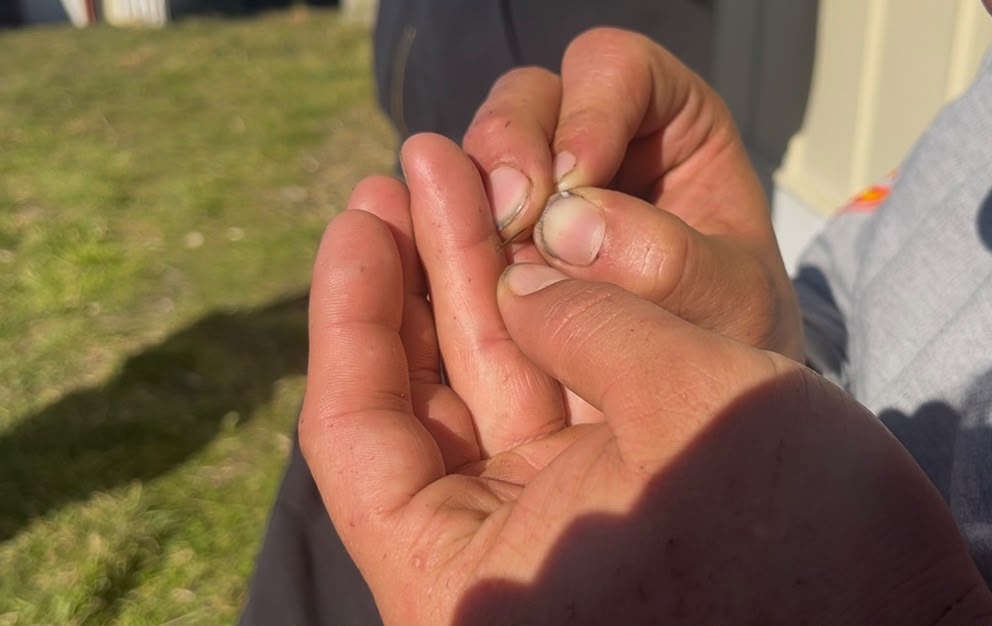
The first shearing begins. You enter a crowded sheep pen. You turn the sheep's head sideways, grab it by the snout, and in the same motion flip it onto its back, grasp under the armpits, and with a quick, trained pull, drag it backward as if you had ambushed it on the street. You take it between your legs. You start with the belly. Then the head and cheeks. You shave the parts completely and toss the wool aside. Its fluffy body is full of calafate thorns. When you place it between your legs, you must press hard to immobilize its pregnant body. The thorns dig into your knees, thighs, and arms. You have them under your nails. When the sheep resists, it wounds your skin, and if you didn't wear sturdy jeans, I would see your blood streams. "Injury is mutual in this work," you explain to me. That knocks me off my suburban moral throne and expands my affinity in both human and inhuman directions. Then I approach and kneel beside the sheep. I take a broom. It looks like a universal hockey stick, with a shield evenly divided on both sides. I must work quickly to keep up with your pace. I toss the belly wool into a sack and return. Meanwhile, you are shearing the inner thighs, which I sweep. Its head is still caught between your knees. Sometimes you put your fist into its groin to stretch the leg, sometimes you bury it into its belly to stop it from moving. If it resists, you go for its neck. And it resists almost constantly. It lives all year on the endless steppe and does not know enclosed architecture. Of course, it is afraid. You say it is arisc, wild. You go for the neck, then the right front leg, the right hind leg, the back, the left front, and finally the left hind leg. You make a mistake, remove a thorn from your forearm, wipe sweat from your forehead with a towel, and continue. You throw the fleece on the ground and go for the next sheep. You shear two hundred sheep a day.
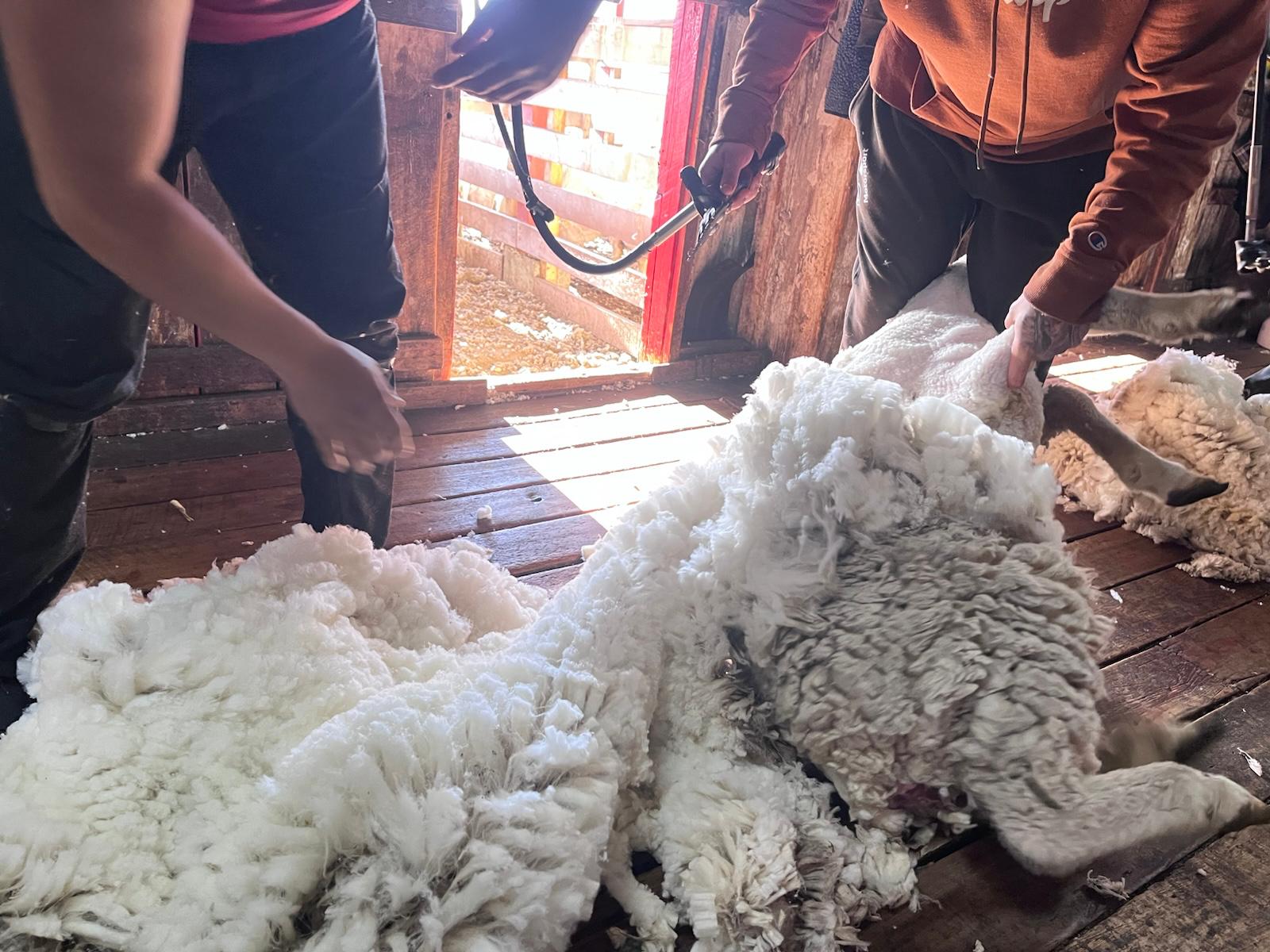
Siena and I have about 10 seconds to gather the fleece without tearing it and mixing the wool from the front legs with that from the back. First, it needs to be prepared: I kneel, pull out the part that was shearing the front legs and neck, hold them between my index finger and thumb, pull them toward myself, then without letting go, pull them downward, make an arc, and wrap the fleece from the lower part. My colleague shears what falls off the wool fleece while I run to the wool evaluator. I place the fleece on the table to match the shape of the naked sheep's body. There, it is superficially cleaned of greasy stains, thorns, blood, and pieces of skin. With a few touches at different points, the quality is defined: fineness, length, and overall condition. Knitted socks, Zara or H&M? Then the empty outline of the body goes into a press. It is compressed, and when the bag is full, it is sealed. This estancia has a hydraulic press, but in most other places, it is necessary to manually compress and sew the bags. Just like in the old days. After the shift, the gate of the sheep pen opens to hundreds of pinkish, naked sheep. From there, with a furious desire for freedom, they scatter into the steppe.
In the evening, you remove thorns from your hands, rub eucalyptus gel on your back, stretch, and crack your joints in various ways. You massage swollen ligaments, tendons, and your lower back. You warm yourself by the stove. I am the only one verbalizing my pain. I complain, with a smile, but also whimper, grumble, and whine. You tell me it only hurts at first, then I get used to the pain. That it will become part of me, you add pathetically, and you burst out laughing. We are all exhausted, yet we play cards, smoke for a while, have a beer, and talk about the size of sheep, the density of thorns, and numb fingers. Then, around ten-thirty, we go to sleep. In the morning, we wake again at five. You still have the whole season ahead; I only have a week.
Kukučín's estancia covered an area of 17,000 hectares, with 10,000 Romney Marsh sheep and 50,000 meters of fencing wire for enclosure and internal division. It also had a shearing shed with six shearing stations. Twice as large as the one I worked on. Shearing without electric machines there must have taken months. It was purchased together with the Stipičić brothers. Apparently, they had a friendly relationship, and Mrs. Stipičić was one of the few friends of Kukučín's wife, Perica. "Today, the gracious Stipičić from Genoa will come with Julius Cesar, and at the end of this month, he will continue his journey to Punta Arenas. It will be a pleasure for my wife to stay with us for at least a day."
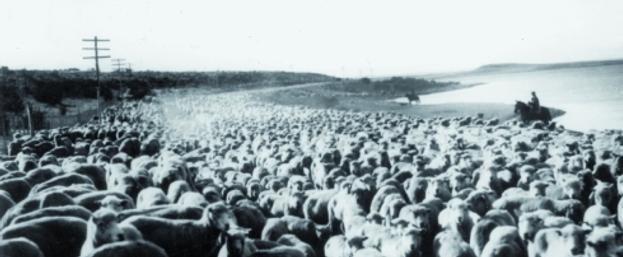
The farm was bought from William Dickie, one of the most famous Scottish colonists and a leading member of the Argentine right-wing para-state Patriotic League. His estancia, like all other farms modeled after the English system, was hierarchically divided. The more luxurious residence belonged to the owner and his family. Nearby stood modest houses where seasonal workers also lived. On the one I worked on, the cook and the sheep herder lived in such houses. Close to the planted poplar alley were sturdy greenhouses. Thanks to this, I recognized the entrance on the way to the Argentine town of Calafate. On the shore of Lake Argentino, there was also a separate port used exclusively for wool transport, called Puerto Bencur.
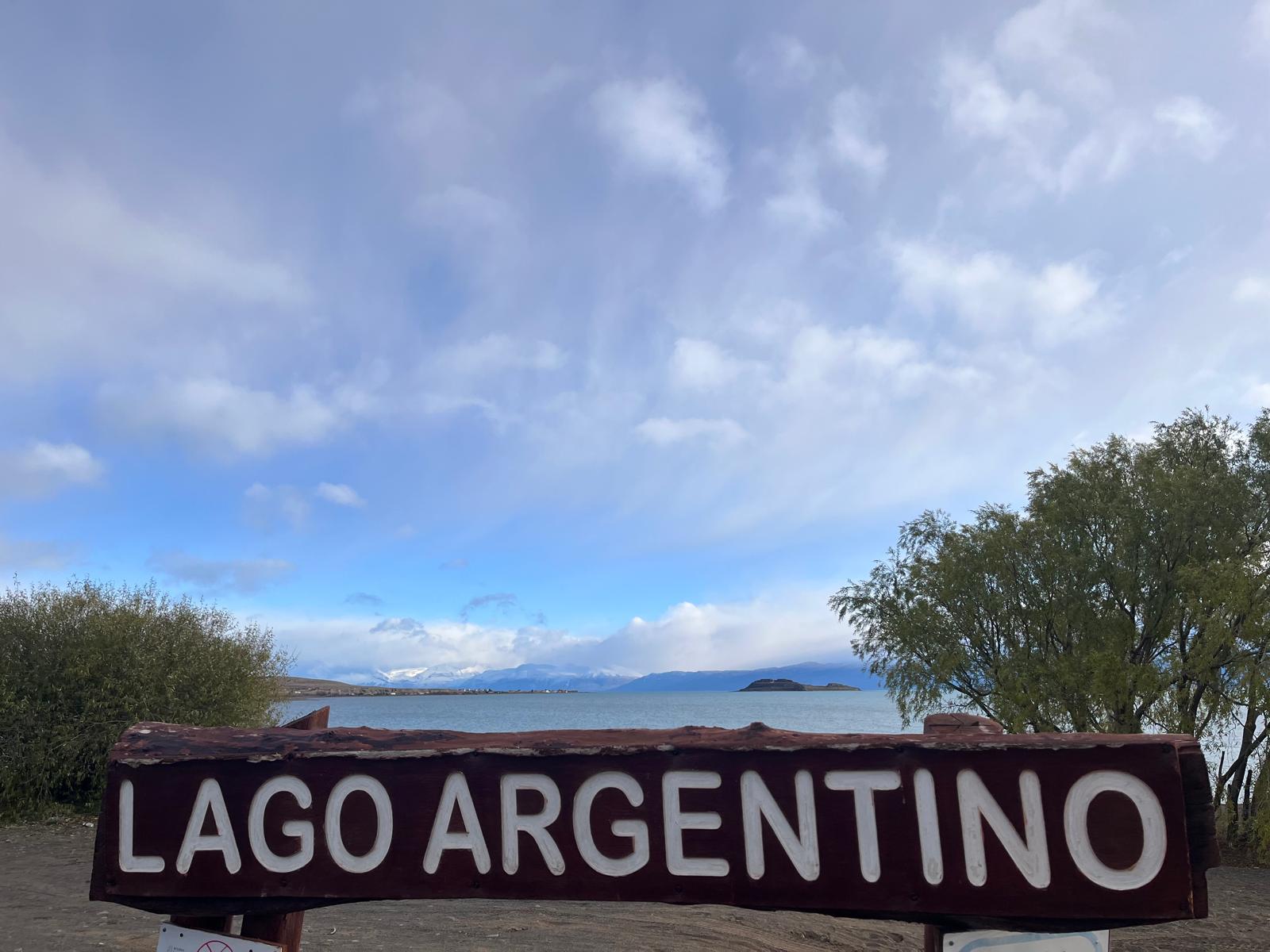
Most of the estate traveled mainly during shearing season. Even today, owners return to their estate from the city precisely during the period when it is filled with seasonal workers. Besides accounting for their own property, it is also a form of supervision over the workers.
"That work, which is so close by, is shearing, the most important annual work in these parts. Its charms and advantages can best be appreciated by those who read money from the shorn wool. Just as our landlord happily hibernates on the hollyhock barn when threshing, and happily gulps dust from the sheaves; he endures it without complaint when his beard gets caught behind his collar; nor does the housekeeper grumble when dust settles on her goods as she backs out of the river. She knows all this will be compensated when she reads the earnings from that wool."
Walks in Patagonia
To the Civilized World
"We declare a general strike at the camp. It will be complete and absolute: from this moment, no work related to the breeding and utilization of cattle, which is the only source of income in this territory, will be performed."
To the civilized world (Manifesto of workers and declaration of strike by anarcho-syndicalists of FORA, 1921)
The anarchist sheep shearers, butchers, and drovers demanded decent conditions: accommodation, hygiene, food, protection from bad weather, medical aid, and a minimum wage of 100 pesos per month. They also demanded recognition of the Sociedad Obrera de Río Gallegos, the possibility of union representation, and protection against arbitrary dismissals.
In 1921, a second strike broke out. The repression was primarily demanded by estate owners, until their pressure was supported by the state. Argentine police, paramilitary units of the Patriotic League, and finally the army under the command of Lieutenant Colonel Héctor Benigno Varela intervened. Suppressing the resistance required the cooperation of the powerful. Transport, fuel, accommodation, weapons, people. Estate owners gathered within the Patriotic League, which mainly united elite layers and could count on "battalions" that carried out patrols, denunciations, and armed actions against protesting immigrants and union members, as was the case during the burning of FOM.
Workers who had previously taken several landowners and managers hostage retreated in December 1921 to the estancia La Anita near the Chilean border. It was several dozen kilometers from Kukučín's farm. In Osvaldo Bayer's canonical book Patagonia Rebelde, these events are described, providing a perspective from the military report of Colonel Varela: "I set out with the entire squad towards the estancia La Anita, about 11 leagues away, where groups from the lake area, determined to resist, are gathered. Upon arrival at the Quién Sabe estancia, I assign Second Lieutenant Frugoni Miranda with 25 men towards La Anita."
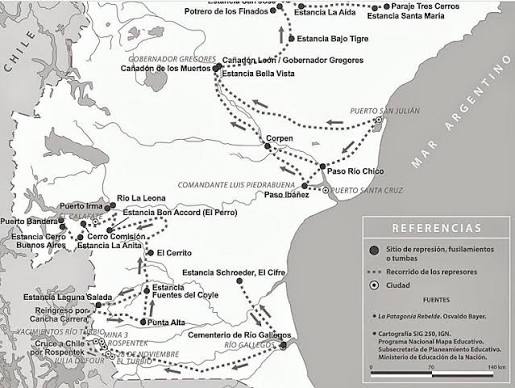
According to a map created based on reports of workers' strikes, the route of the soldiers is indicated, passing through territory belonging to Kukučín's estate. I do not know to what extent he was aware of the military presence on his farm, whether he provided shelter to the soldiers or simply allowed them to pass through his land. Was it entirely his decision, or was it arranged by the more experienced co-owner Stipičić? Škultéty from Punta Arenas writes to him on August 16, 1921: "I think I also told you when I might return to Europe. It was supposed to be exactly in these months, so I planned to spend this summer in Slovakia. I also made arrangements to sell what I have here: house, some farm equipment, etc., when suddenly a financial crisis hit Chile and Argentina, so there was no point in undertaking anything in that regard. The Chilean currency has fallen by 40% to date, the Argentine one is also declining, though less, and clouds of internal tremors and external complications are gathering, so today no one is inclined to buy anything here, fearing everything, including total loss of property, as we see in other regions. With such prospects, I would prefer not to stay here for the sale of what little I have, because remaining here, you never know if you will only spend your property or if worse things will come."
They Have Plenty of Manure
Bayer also takes us into an archive where he traced reactions of individual estate owners during the strikes. One of the documents is a request from owners for permission to hang the Argentine flag on their estancias as a gesture of solidarity against the protesting workers. Bencur is also listed, recorded as an Austrian and a league member. According to Bayer, the estate owners generally united against the strikers, with only minor exceptions. Bencur's name appears also in a grouping of estate owners, formed during the unrest, aimed at defending their economic interests in the Argentine province of Santa Cruz. Signed by Stipičić & Bencur.
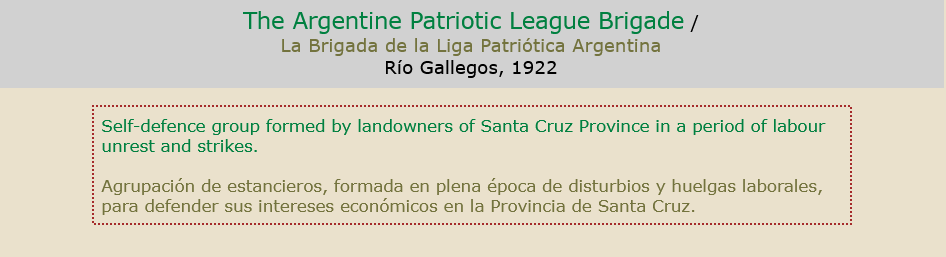

Is the signature an addition to the company's name or a consensual Kukučín's approval? Between his name on the list and silence in Walks, there is a whole unexplored space. Škultéty writes to him in a letter:
"Regarding the references to conditions in Chile, nothing can be published about it anymore, because it would be known here, misinterpreted maliciously, turned against me, and could harm me or at least cause slander and unpleasantness. (...) As a foreigner, I would not like to interfere in their affairs, because that is not my role or duty. Let them clean their stables themselves; I certainly cannot spread their manure. And they have enough of it. Now I have nothing else to add but that I am doing very well, have a good reputation, and am still healthy and cheerful, just like my wife, and I look forward to the future with complete peace."
Did Kukučín perhaps want to be an anarchist earlier?
Between December 6 and 7, 1921, just dozens of kilometers from Kukučín's farm, 250 protesting shearers, drovers, butchers, and sheep herders were murdered. Beforehand, soldiers and members of paramilitary patrols forced them to dig their own graves. Others were stabbed, tied with wire, or burned alive.
"It seemed tragic to me how much shooting there was without reason or sense. It looked more like murder (...) and that on the first Christmas celebration. The victim is completely passive, does not resist, nor even seems to want to lose. No one would believe if they hadn’t seen it. (...) He doesn’t even realize he is being shot at because he is used to seeing people, whether on foot or on horseback, who have never harmed him. He believed in the goodness of all, had learned not to fear them. He could no longer distrust them. His guilt was that he considered us all good and equal. (…) Such a shot is a witty joke or pastime for one, perhaps useful training in shooting for another, and brutality and insult to human feeling for another. It would probably have been enough to leave things as they were until now, if not for those bursts of laughter. Those were stabs, mockery, and clashes."
Walks in Patagonia
Why, if he can capture the guanaco hunt in this way, didn’t he write about the Patagonia Rebelde events?
From Osvaldo Bayer, I also learn that before leaving Patagonia, the estate owners organized a banquet in honor of Varelo at the Grand Hotel in Río Gallegos, about the mass graves, and about the revenge of anarchist Kurt Wicken. I am intrigued by the part where he writes about "Putas de San Julián," i.e., "sex workers," who refused to provide their services to soldiers involved in the massacre.
"The non-commissioned officer and the recruits took it as an insult, as contempt for the homeland's uniforms. They talk among themselves and encourage each other. All try to break into the brothel as a mob. But five girls come out with brooms and clubs and stand against them, shouting: 'We don’t sleep with murderers!' (,¡Con los asesinos no nos acostamos!ʻ). These women understood clearly: no business with murderers."
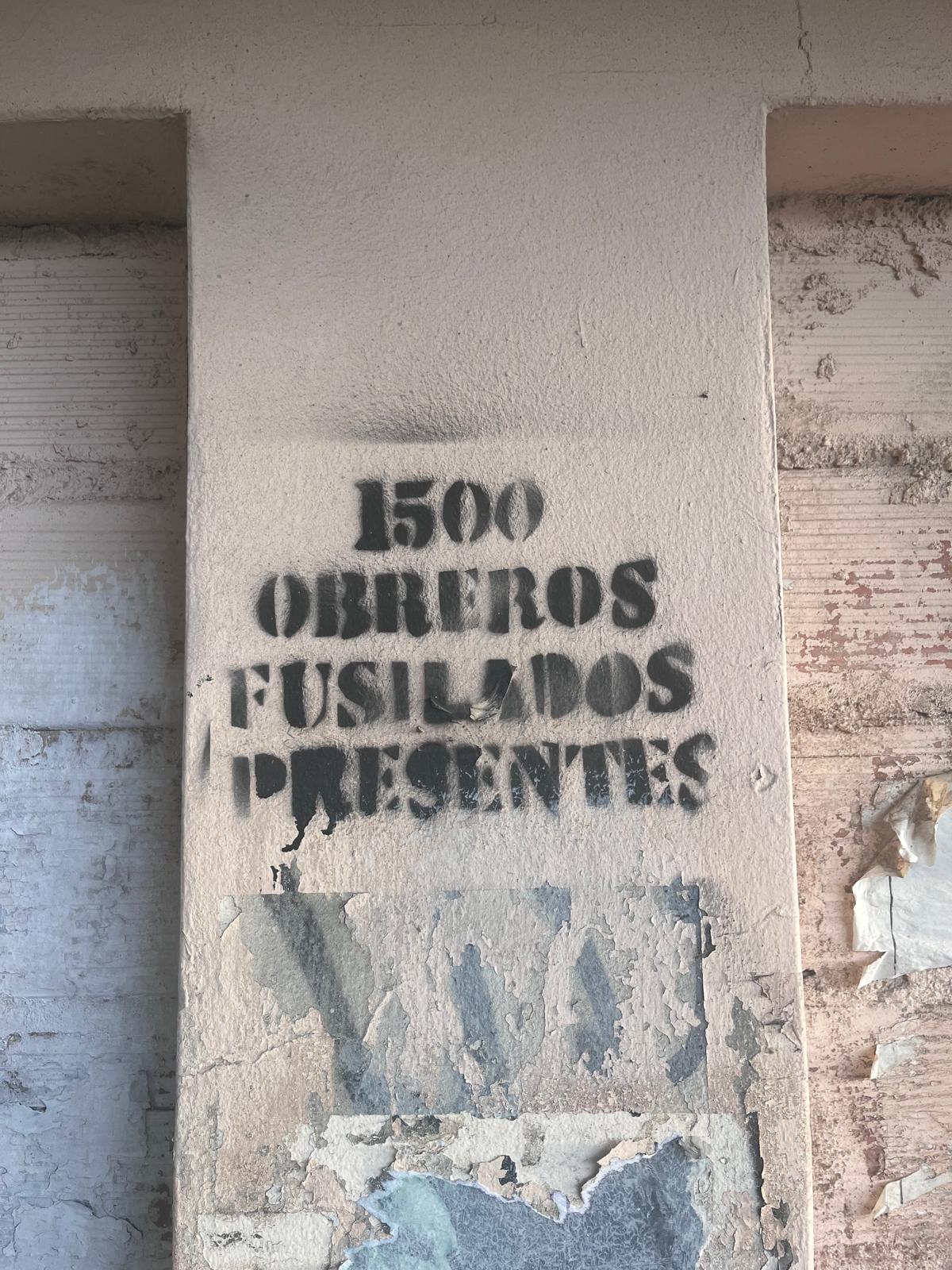
Photo: author

The text was created with the support of the Rosa Luxemburg Foundation, with a representation in the Czech Republic. The publisher is fully responsible for the content; the views expressed in the text do not necessarily reflect the Foundation's position.