Eighty-five years on: from a day of remembrance to the struggle for a historic homeland
New Eastern Europe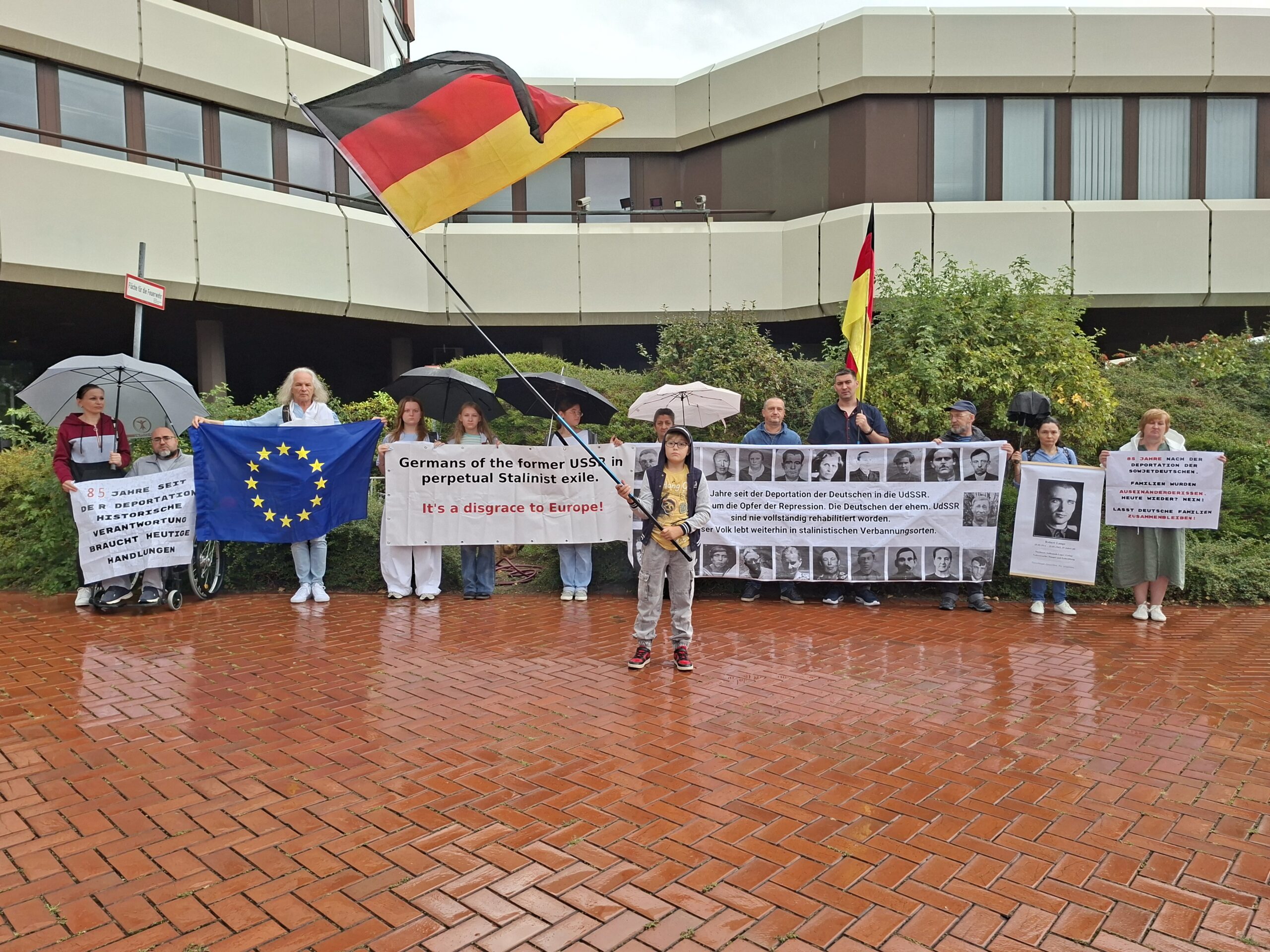
The wartime deportation of ethnic Germans in the post-Soviet space remains a defining memory for the community today. Many ethnic Germans who have fled Russia’s aggression in Ukraine are now attempting to build a new life in their ancestral homeland.
For Germans of the post-Soviet space, August 28th is a day of remembrance and mourning. In August 1941, the mass deportation of Soviet Germans began. More than one million people were forcibly removed from the European part of the Soviet Union and deported to Siberia, Kazakhstan and other regions. The Volga German Autonomous Soviet Socialist Republic was abolished during these events. According to estimates, repression, deportation, famine, forced labour and the harsh conditions of special settlements claimed the lives of up to one third of the Soviet Union's ethnic German population.
Even 85 years later, the consequences of that policy remain visible. German autonomy in the Volga region was never restored, while many German families continue to live in the regions to which their ancestors were deported. Decades of assimilation resulted in the loss of language and parts of their cultural heritage.
Since the 1990s, German legislation on Spätaussiedler has enabled many ethnic Germans from the former Soviet Union to return to Germany — the historic homeland of their ancestors. For many, this was not simply a migration, but an opportunity to preserve their German identity and reconnect with their historical homeland. Yet the process remains unfinished: according to estimates, at least a quarter of a million ethnic Germans still live across the post-Soviet space.
Russia's full-scale war against Ukraine has given this history a new and tragic dimension. The German community in Ukraine has once again faced displacement. Many families have been forced to leave their homes and come to Germany, including large numbers of women and children. For a community that has already experienced deportation, war has created another generation of forced displacement and loss of home.
Against this background, the Landsmannschaft der Deutschen aus der Ukraine e.V. has emerged as a young and active organization working with Germans from Ukraine. Its activities include support for German families, cultural and commemorative initiatives, and the legal protection of their interests. The organization assists families facing difficulties in the resettlement process, identifies recurring problems in practice, and brings them to the attention of the relevant authorities.
Over recent years, the Landsmannschaft has organized more than a dozen public actions and initiatives in Germany and abroad. These have included demonstrations and commemorative events near the Parliamentary Assembly of the Council of Europe and the European Parliament, as well as international initiatives aimed at preserving the memory of the deportation and drawing attention to the concerns of German families. One of the most notable was an international commemorative marathon, which brought together participants from Germany, the United States, Ukraine, Kazakhstan and Russia. Its international reach reflects the fact that the history of Soviet Germans remains a shared experience across borders.
The organization's work is centred on the real cases of German families. Recurring difficulties in the resettlement process and in dealing with government authorities are treated not merely as individual cases, but as issues that may point to broader problems in administrative practice. The aim is to ensure that the existing legal pathways for returning to Germany can be implemented in practice, rather than remaining merely formal rights.
On August 28th 2026, this contemporary work came together with historical remembrance. A peaceful commemorative picket was held in Cologne outside the Federal Office of Administration (Bundesverwaltungsamt) to mark the 85th anniversary of the beginning of the deportations. Despite the bad weather, German families travelled from different parts of Germany, alongside representatives of various organizations. The initiative was also supported by representatives of German communities and organizations from Ukraine and the United States.
The event was more than an act of remembrance. Vyacheslav Bodrov, chairman of the Landsmannschaft der Deutschen aus der Ukraine e.V., personally delivered to the Bundesverwaltungsamt an appeal that had previously been addressed to the German chancellor and members of the Bundestag in the form of an open letter. The appeal raises concerns about German families from Ukraine and other crisis regions and calls attention to the practical application of the admission rules for Spätaussiedler under wartime conditions.
Thus, the 85th anniversary of the deportation became not only a day of mourning, but also an opportunity to draw attention to the present-day situation of German families across the post-Soviet space.
Eighty-five years after the deportations began, the descendants of Soviet Germans are once again speaking about return — now not only from the places to which their ancestors were deported, but also, in the face of war, towards their historic homeland. For people born in special settlements and for women with children, this is not simply a matter of security. It is a question of preserving their German identity and historical memory, and of making the right to return a reality.
Anna Hildebrandt (pseud.) is an activist working to promote issues surrounding the rights of the German minority in the former Soviet Union.