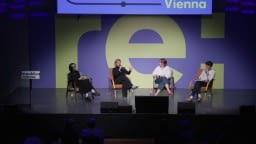
Money is one of the most powerful sorting mechanisms in our society and at the same time a big taboo. We talk about achievement, consumption, and upward mobility. Much less often do we discuss who inherits, who has to give up, who can buy security, and who must fear every unexpected hundred. Marlen Engelhorn, Mareice Kaiser, and Dani Brodesser bring together three perspectives that are rarely seen simultaneously in debates about inequality. Engelhorn highlights how large fortunes generate social power. Brodesser knows poverty, shame, and exclusion from personal experience and shows how quickly economic hardship is explained as individual guilt. Kaiser approaches class, money, work, and social mobility journalistically and examines the stories we use to explain and legitimize inequality. Why is poverty considered something that needs explanation, but wealth seen as normal? Who is allowed to talk about money without having to justify themselves? What roles do origin, gender, and family resources play in opportunities and participation? And how do digital public spheres change this debate when people make their experiences with poverty, wealth, and classism visible themselves? Social media can make perspectives audible that traditional media have long overlooked. At the same time, platforms reward sensationalism, individualization, and the ever-same success story of personal upward mobility. How do we talk about structural inequality without turning poverty into a private tragedy and wealth into a lifestyle question? In the end, there is a democratic core question: How much inequality can a society endure before it breaks apart?
Money is one of the most powerful sorting mechanisms in our society and at the same time a big taboo. We talk about performance, consumption, and upward mobility. Much less often about who inherits, who has to give up, who can buy security, and who must fear every unexpected hundred.
Marlen Engelhorn, Mareice Kaiser, and Dani Brodesser bring together three perspectives that are rarely seen together in debates about inequality. Engelhorn makes visible how large fortunes generate social power. Brodesser knows poverty, shame, and exclusion from personal experience and shows how quickly economic hardship is explained as individual guilt. Kaiser deals journalistically with class, money, work, and social mobility and examines the stories we use to explain and legitimize inequality.
Why is poverty considered something that needs explanation, but wealth seen as normal? Who is allowed to talk about money without having to justify themselves? What role do origin, gender, and family resources play in opportunities and participation? And how do digital public spheres change this debate when people make their experiences with poverty, wealth, and classism visible themselves?
Social media can make perspectives audible that traditional media have long overlooked. At the same time, platforms reward sensationalism, individualization, and the always same success story of personal upward mobility. How do we talk about structural inequality without turning poverty into a private tragedy and wealth into a lifestyle question?
In the end, a democratic core question remains: How much inequality can a society tolerate before it breaks apart?
The first re:publica Vienna brought the most important European festival for digital society, politics, technology, and culture to Austria for the first time. From October 2 to 3, 2026, the Kulturhaus Brotfabrik became a place for debates and keynotes with international speakers. OKTO recorded the event and has been presenting the highlights since October 5 in the slots at 6:00 PM and 11:10 PM.