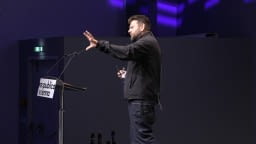
While billions continue to flow into brutal EU external border protection and dirty deals with countries like Libya, counter-models are emerging along the refugee routes: Gallic villages, resistance nests, and lighthouses of hope. These stories must be made visible. Petar Rosandić, who has been active on the front lines of the Balkan route for years, explains why we need to look more closely there, why local civil societies are crucial, why the rights of refugees concern us all, and why new alliances beyond our own "bubbles" are necessary. His initiative SOS Balkanroute has prevented not only several humanitarian disasters but also EU-funded prisons—successes that inspire and show: the fight for our collective human dignity is never hopeless.
While billions continue to flow into the brutal EU external border protection and dirty deals with countries like Libya, counter-models are emerging along the refugee routes: Gallic villages, resistance nests, and lighthouses of hope. It is precisely these stories that need to become visible.
Why we need to look more closely there, why local civil societies are crucial, why the rights of refugees concern us all, and why new alliances beyond our own "bubble" are necessary, explains Petar Rosandić, who has been active on the front lines of the Balkan route for years. His initiative SOS Balkanroute, together with many committed people, not only prevented several humanitarian disasters but also EU-funded prisons – successes that encourage and show: The fight for our collective human dignity is never hopeless.
The first re:publica Vienna brought the most important European festival for digital society, politics, technology, and culture to Austria for the first time. From October 2 to 3, 2026, the Kulturhaus Brotfabrik became a place for debates and keynotes with international speakers. The teams from OKTO and Moment Magazin recorded the events and have been presenting the videos since October 5 in the slots at 6:00 PM and 11:10 PM.