Queer beyond the borders of the city
Kapitál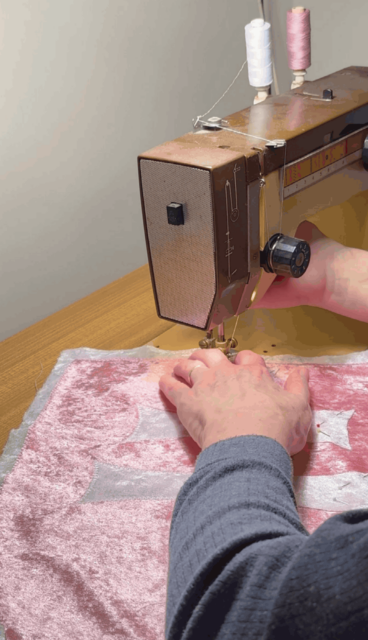
Stories of transgender people from rural areas are woven with loneliness, pain, and lack of support. At the same time, however, they defy the mythologizing image that, in contrast to the utopian city, depicts the countryside as a limited place full of hostility. Cornfield villages, water villages, and underground villages not only hurt respondents but also shaped them: they became sources of identity, memories, family, and safety. They are places that are home despite not being originally created for them.
The stories of transgender people from rural environments are woven with loneliness, pain, and lack of support. At the same time, however, they defy the mythologizing image that, compared to the utopian city, depicts the countryside as a limited place full of hostility. Corn villages, water villages, and underground respondent communities not only wounded but also shaped: they became sources of identity, memories, family, and safety. They are places that are home despite not being created for them.
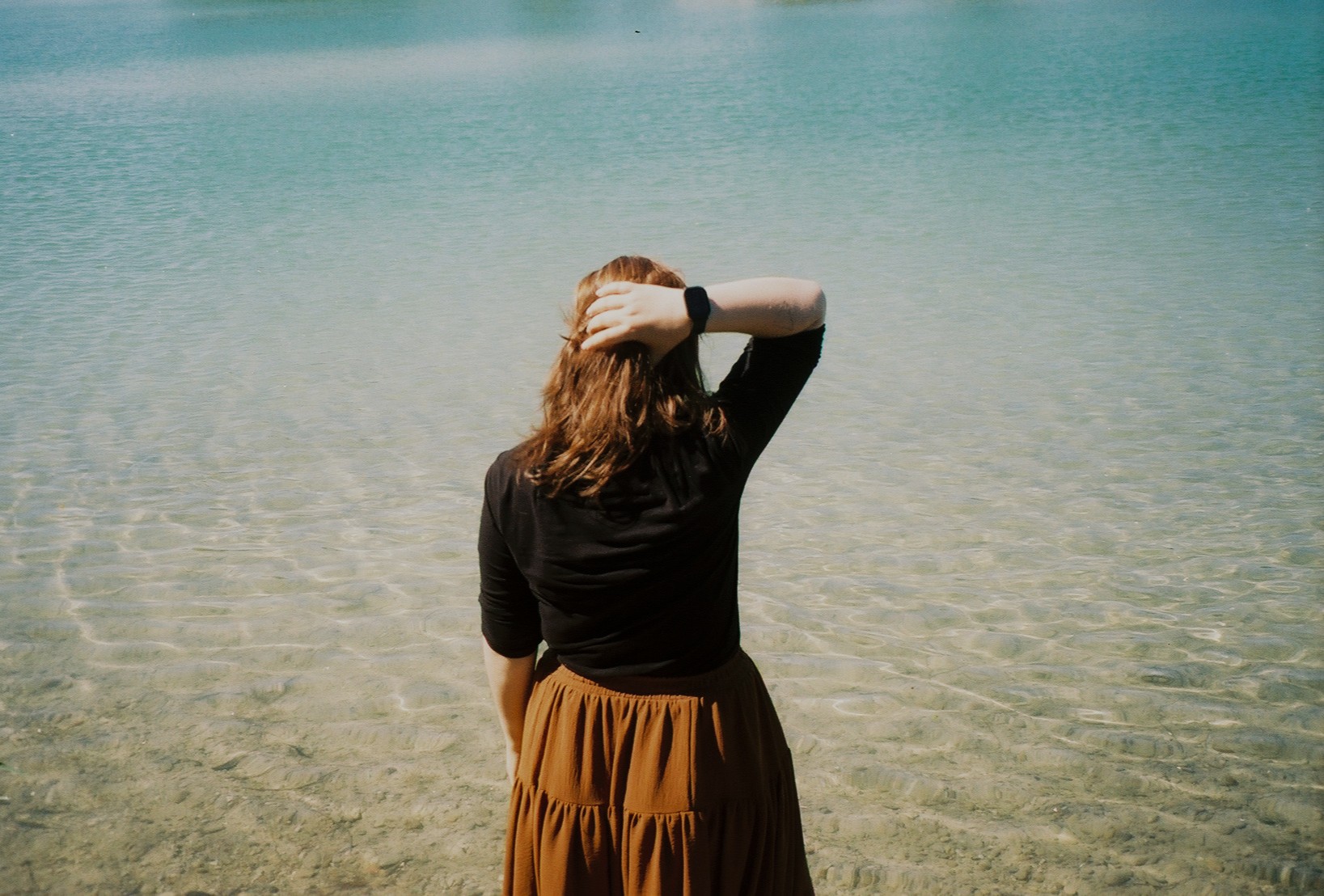
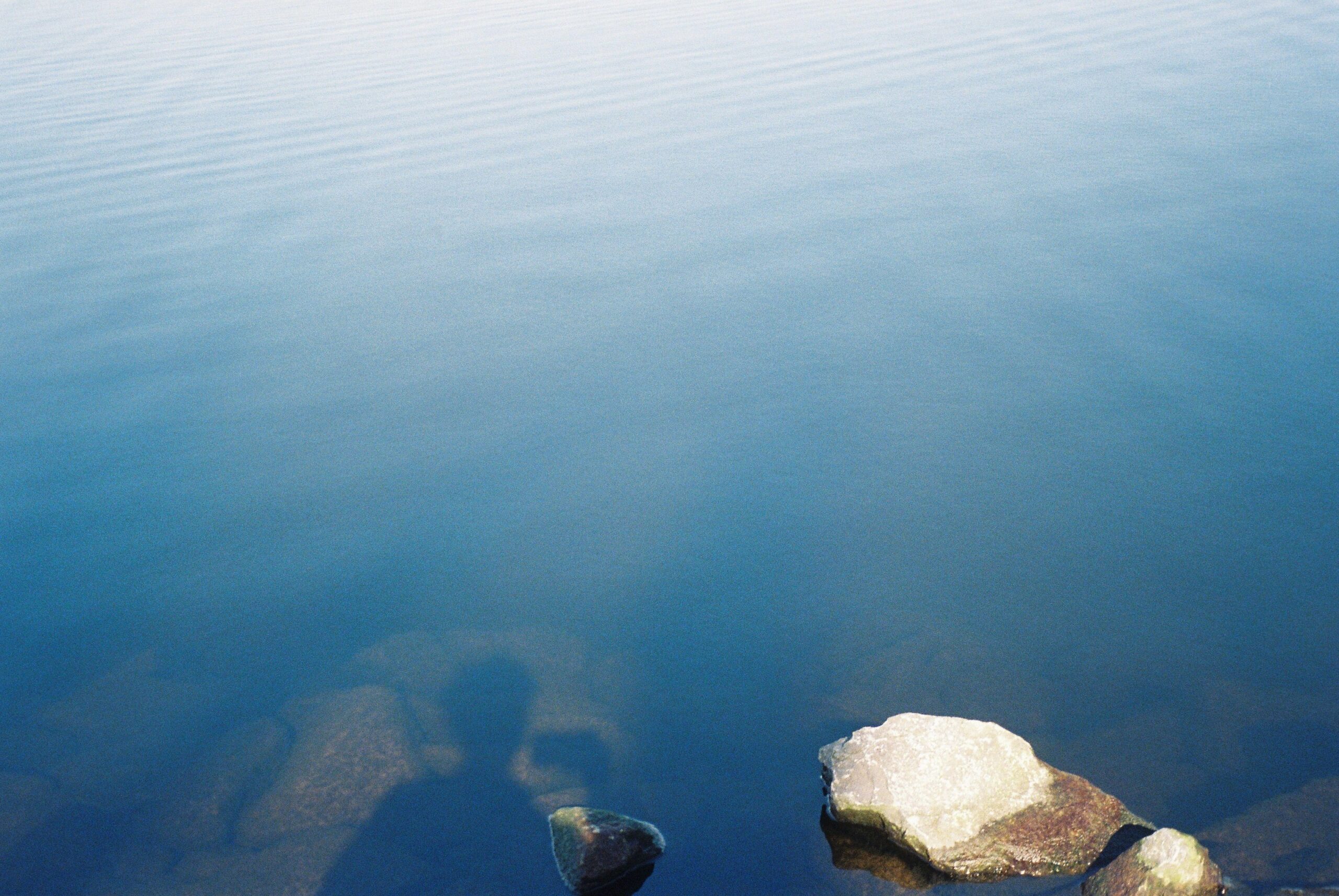
Although it is only May, the heat is relentless. We leave sneakers and a bag of early cherries with Sabrina on the shore and step into the clear water. Its endless blue reminds me more of the Adriatic Sea, which I remember from childhood holidays, than a freshwater lake. The sudden chill on my heated skin is more than welcome. With each step, we disturb the previously calm surface of the lake. Its waters embrace vulnerable bodies regardless of who they are and hold memories across generations. The fiery memory is accompanied by distant barking of a dog and an indecipherable rural radio broadcast.
Only the plain and corn
I spot Sabrina on a bench under the bus departure schedule at the Bratislava station. She carefully picks out withered tulips from a bouquet that wouldn’t survive nearly an hour-long bus ride and a walk in the heat. She gives the flowers to her mother for her birthday, she explains to me on the bus. The panorama of Bratislava will soon be replaced by fields with early crops, noisy tractors, and billboards displaying investment opportunities and car ads. We head to the “corn village” near Senec, where Sabrina comes from and where she spent most of her life. Today she lives in Bratislava and only returns to the village for visits.
The mowed fields, interrupted by occasional trees and a lookout tower, stretch to the horizon, and Sabrina recalls moments when she navigated them in heels, snow, or teenage longing for privacy and intimacy, which at the core of the village was unfulfillable. Buses and trains to Bratislava do not run very often, and trips to see friends and the community in the city required a lot of planning. The bitterness in Sabrina’s voice is quickly replaced by familiarity as she admires the blooming pink flower beds of neighbors, points out renovated houses of acquaintances, and tells village legends rooted in her memory.
The corn village is a place where Sabrina, as a transgender woman, feels both at home and a stranger at the same time. An ambivalent relationship with the village and a fluctuating sense of home, which still dominates after years, also shaped her journey to transness. The question of identity development in relation to space became key in the popularization of queer culture in the twentieth century. It is based on the assumption that queer culture is rooted in cities, urbanization, and the associated anonymity, as writes American academic Jack Halberstam. Spaces like bars, cafes, or bookstores have historically served as bases for collective consciousness, activism, and community.
The persistent dominant narrative, which Halberstam critically calls metronormativity, mythologizes queer and trans* people in rural or small-town areas as stuck in a backward place full of violence and prejudice. The countryside thus becomes a lonely, enclosed space from which LGBTQ+ individuals should come out for authenticity and freedom embodied by the city. I come to the corn village and other villages with the weight of my own memories of growing up outside the city and with the intention to avoid one-sided portrayals of queer rural life.
Family above all
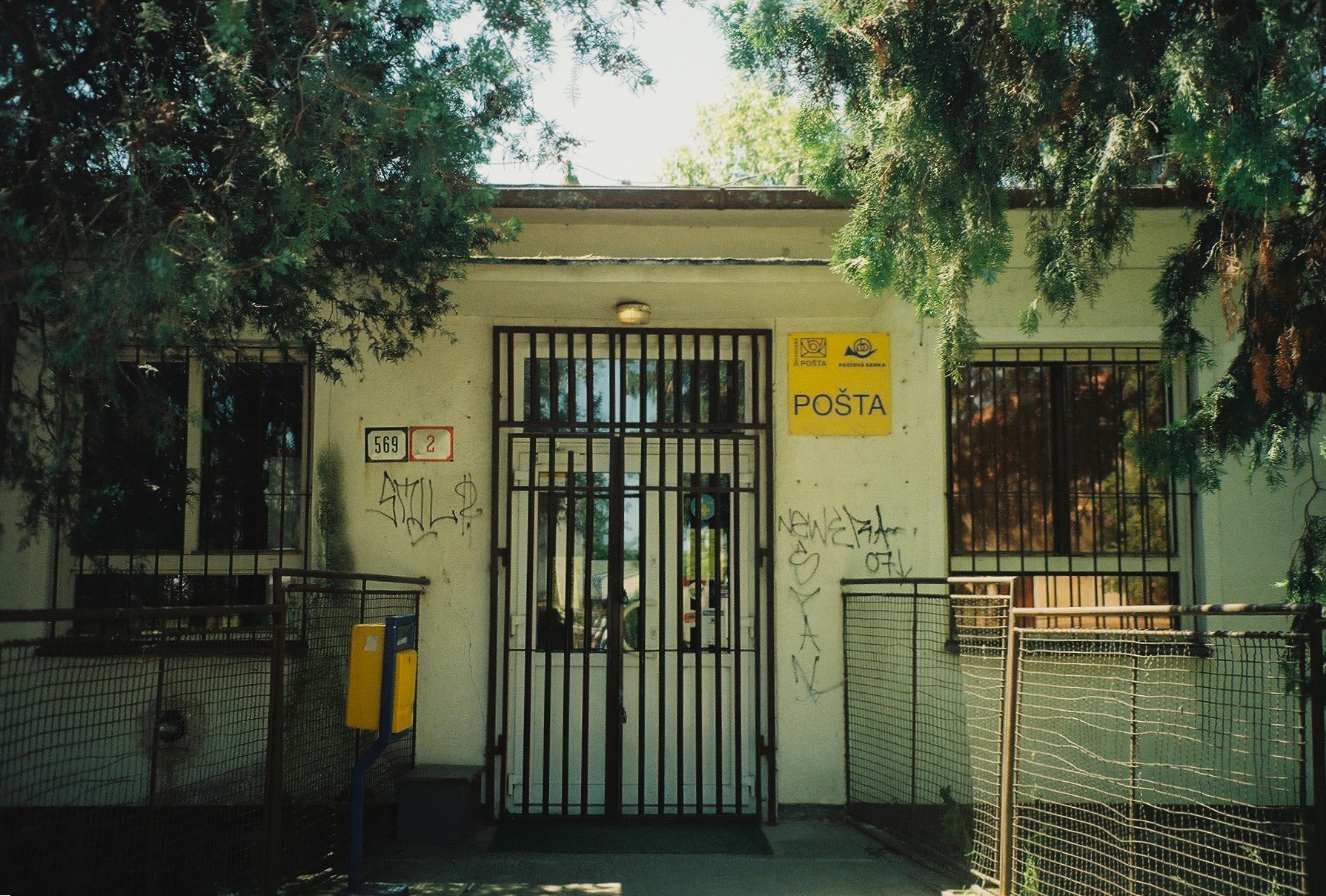
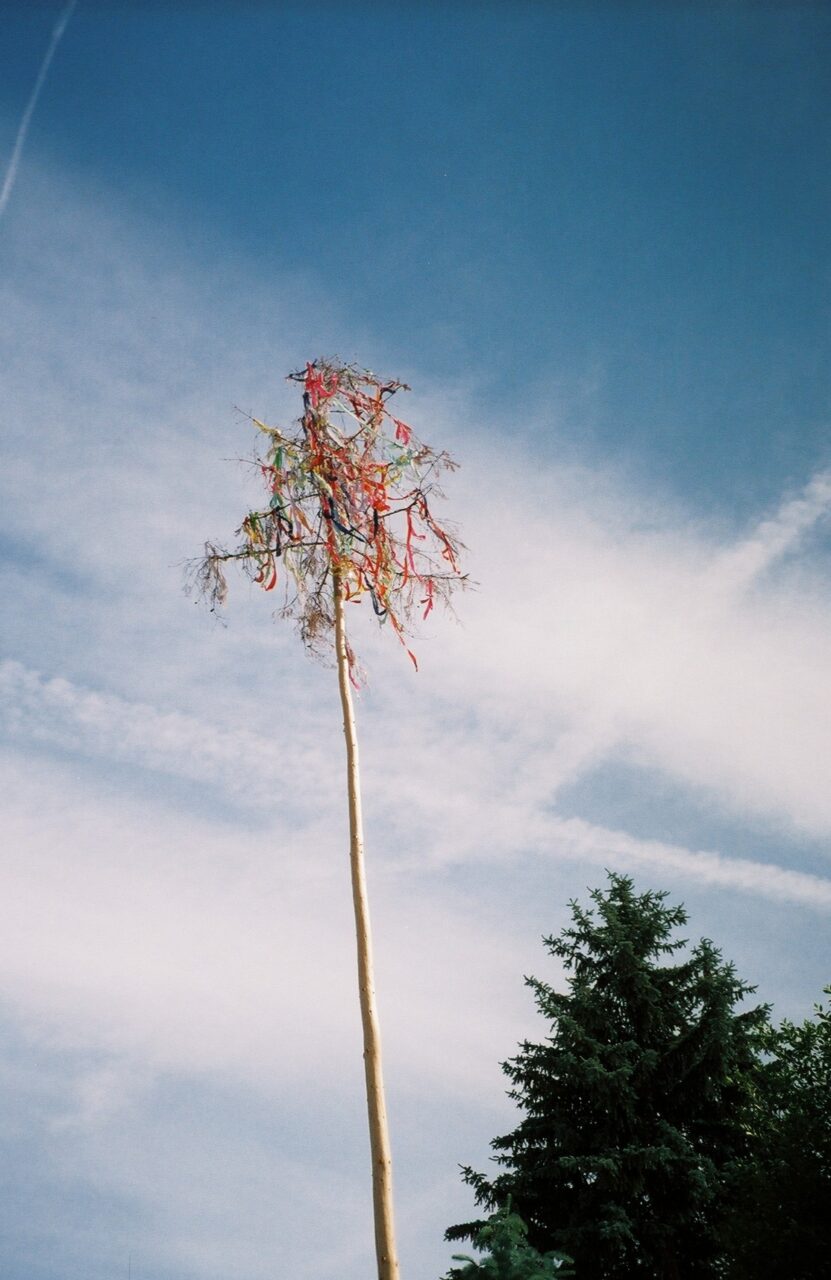
With Sabrina, we stop at a post office without fixed opening hours, with bars on the door, next to which a Maypole with a hanging champagne bottle stands. At the end of the road stands a building with a large sign: MUNICIPAL OFFICE - KÖZSÉGI HIVATAL. Like many other families in the corn village, Sabrina’s family has Hungarian roots: “People here in the village are either my family or somehow connected to it. My grandmother was born on the same street where we now live, just like her ancestors.” Her first language is a gender-neutral Hungarian. In the absence of grammatical gender, she finds an element of freedom.
A car passes by us, which Sabrina immediately identifies as her uncle’s. She emphasizes the omnipresence and importance of family and neighborly ties in the village: “Whenever they make dumplings here, you know you’ll get some. When it’s cherry and apricot season, suddenly your table is full of fruit,” Sabrina describes. At the same time, this means a loss of privacy: information and gossip about who is wearing what, who is with whom, or who is holding hands travel often faster than the people themselves, creating an atmosphere of zero anonymity.
Sabrina’s identity has never been a complete secret. Through close friendships, her manner of expression, and playfulness with gender roles, she has perceived her difference since childhood, and most of her family as well. “Whatever happens, we’re still ours,” they used to say. The sense of belonging among families in the village often outweighs misunderstanding of difference or prejudice: “Even the most bitter Catholic and old person begins to accept a queer person if they are part of the family. I know very few families where something happened and that person was not accepted, no matter how strained their relationships are.”
The path to understanding, however, is winding, and life in a small community where difference is an anomaly is complicated. Together with Sabrina, we arrive at a fenced house with a manicured front yard and a weeping willow said to have grown from an Easter whip. Sabrina briefly disappears behind the gate and returns without a bouquet and with a bag of cherries. Monika is Sabrina’s mother and has lived her entire life in the corn village.
In her older age, she went through her own coming out and currently lives with her partner. Because of her own experience, she always emphasized to Sabrina that her place is not in the village and she should move away. She herself faced misunderstanding and condemnation from the villagers. Although she once also longed to leave for the city, she settled here due to commitments and learned to live exactly here. Her work, family, past, and community are here, in the corn village. Ties to the place are, among other things, framed by class affiliation and undeniably influence the development and experience of queer subjectivity, as shown by research on queer rurality.
“What would it help her? What would she do there? Everything she knows is tied to this place,” Sabrina explains Monika’s decision to stay. She has built a home here not only for herself and her difference but also for Sabrina, who now proudly bears her resemblance.
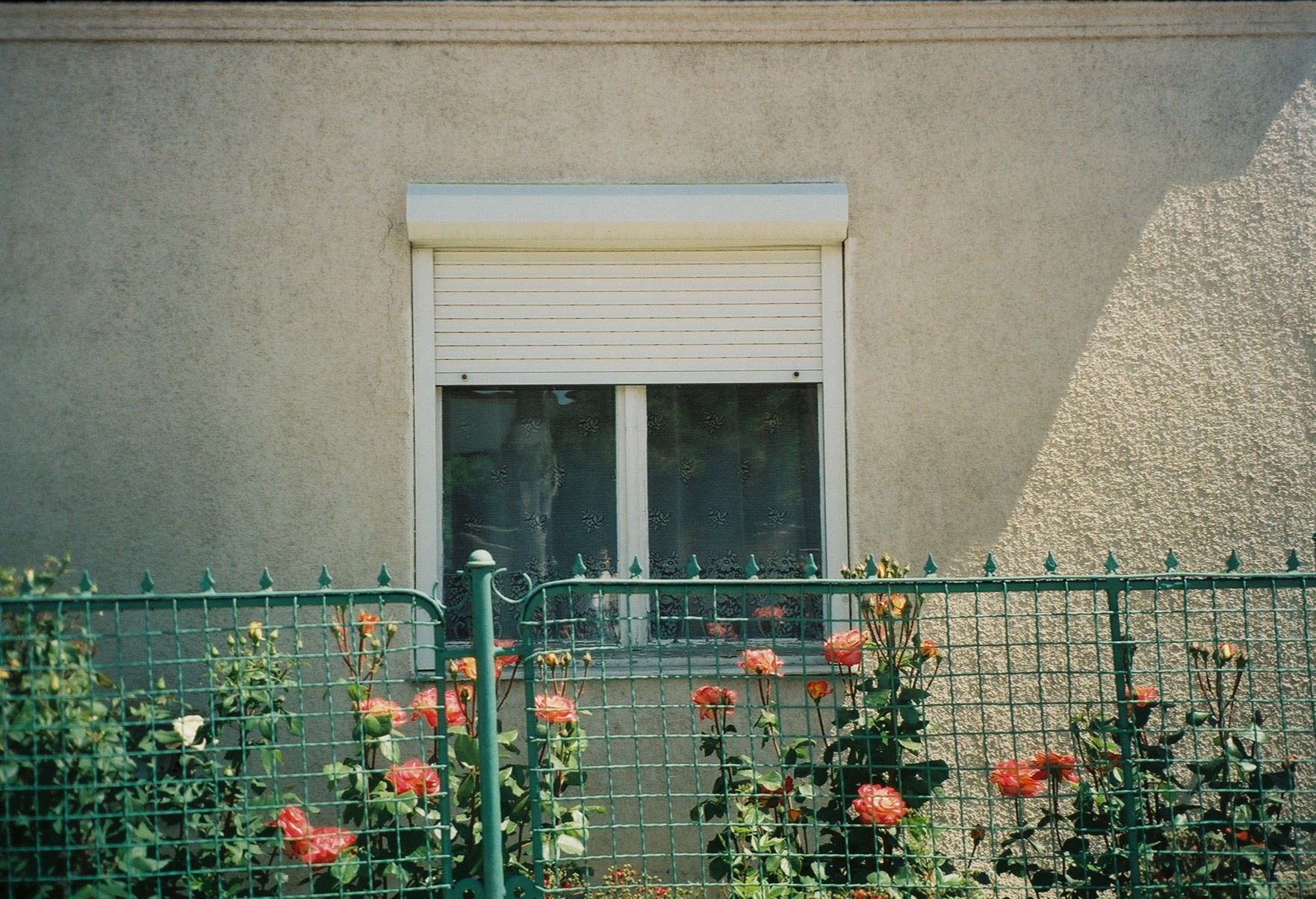
Guest in the native house
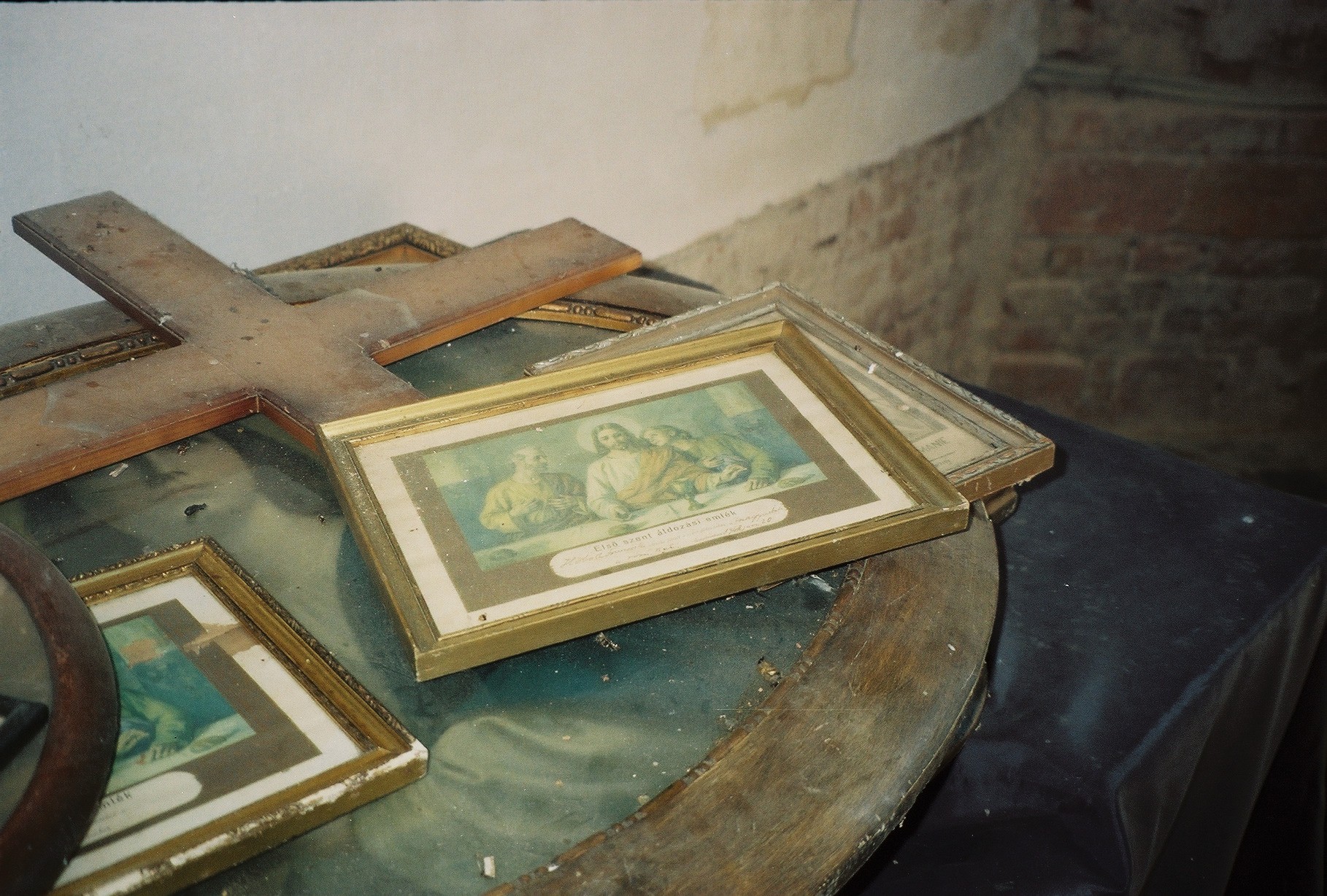
Through the creaking gate, we enter the village cemetery. The gravestones mostly bear Hungarian names, occasionally Slovak ones. A few illegible, moss-covered gravestones have printed notices about missed payments, which no one can now settle. Behind the graves stands a memorial to war victims with a Hungarian tricolor on the wreath and a chapel that provides us with a temporary escape from the sun. Inside, we find an altar and a dusty collection of saints’ icons with cracked glass and Hungarian text. With Sabrina, we share stories about teenage kisses behind the village churches like this one, which at the time were the peak of rebellion and necessity, as there was nowhere else to go.
Due to the heat, the cemetery is empty, and we only meet an older man with a walking stick. “Csókolom,” Sabrina greets him. I reveal my foreignness with the Slovak “dobrý deň.” Sabrina’s greeting means the old-fashioned “kissing,” and from the villagers, a mutual closeness can be felt.
Sabrina, before her transition, left the village, moved to Vienna, and finally to Bratislava. Despite initial fears of losing loved ones, she ultimately decided on transition. She radiates joy from being herself when she talks about the community she found thanks to her openness. She occasionally returns to the corn village, especially to her former home, where she feels safe and accepted because of her mother. “My sense of home relates to the people and rituals we share. To my mother, to my grandmother. To my partner and the space we once created together in Vienna. That was our home,” she says.
She still perceives a gap between herself and the village. She feels like a guest here. This feeling peaked when she visited and her mother made her coffee in a special cup instead of a regular one, which usually gathers dust behind glass and is only brought out for special visitors. Sabrina adds: “Villages are not made for us, and they won’t be a space where we feel safe for a while yet. But I think they can be someday.”
The reeds rustle in the wind, and a distant lawnmower hums. Sabrina and I fall silent, enjoying the cool water on our feet. Home is the feet at the bottom of the lake, a bag of cherries, and coffee in a Nescafé cup.
Water village
The sound of flowing water blends with music. The muted industrial beats of avant-garde pop by Arca awaken in me and Ana an old fear of the unknown – of not being able to align my own rhythm with the surroundings. We watch the flickering dance of bright green dragonflies over the river’s surface and the quiet symphony of river grass swaying with the movement of a school of fish. Their silvery scales reflect the sunlight in an ecstatic underwater rave.
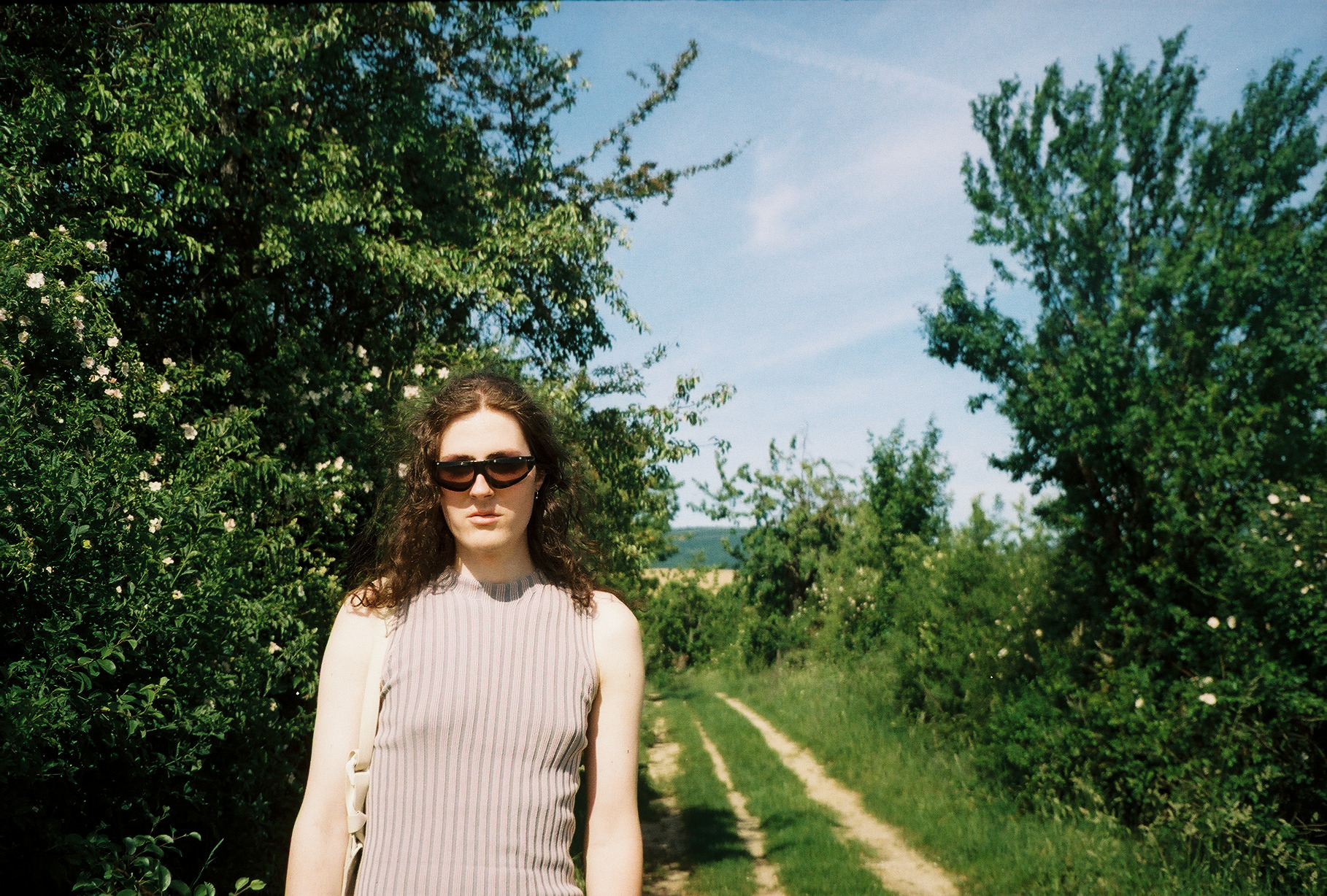
We walk through a park and past a church whose doors are decorated with white and pink bows in honor of the first Holy Communion. I feel the gazes of parents waiting outside for their children and breathe a sigh of relief when Ana leads me up the bank along a well-trodden path hidden among trees. She brushes her long wavy hair from her face, and when we finally leave her village behind, she talks about a queer group in a larger Slovak city, which she, as a trans woman living in a rural area in the west of the country, has never felt part of.
Despite globalization of queer identity, facilitated by widespread internet access and LGBTQ+ terminology, locality remains key even in Ana’s experience. It’s not just about the physical place but also about the shared sense of community that arises through everyday shared routines and relationships. Ana feels that without this place, she wouldn’t be who she is today. She discovered her identity through growing up in a small community among trees, in a garden, and by the water. Just like this place, discovering her identity was helped by other queer people she met during her studies. They showed her that it’s possible to be queer and survive.
The grass around the lake reaches up to her ankles. Ana notices that her old favorite spots have disappeared under unruly greenery or have been removed. We pass by a sleepy cat lying in the grass, which cannot be disturbed even by our proximity. The forest around Ana, which she navigates with effortless familiarity, eventually subsides, and we settle on a small pier overlooking the cabins.
(In)visibility
Despite Ana’s intimate connection with the water village environment, the community, queer culture, and information about transition, she found it difficult to seek support here. She primarily explored her gender identity online and through the music of singer Arca. Her surroundings knew little about transness, only through media and village gossip, and even that was surrounded by clouds of fear and half-truths. As a trans person in a rural area, Ana is constantly in a visible and invisible position at the same time. Her difference stands out from the crowd, making her a target for uncomfortable questions or insensitive comments. She also describes painful experiences when her identity is deliberately ignored: “Everyone here has known me since I was a child, and even though I’m out now, they don’t respect me and call me by the wrong name. That hurts.”
A 2022 study on the lives of LGBTQ+ people in Slovakia conducted by the Inakosť Initiative showed that discrimination and feelings of threat remain significant parts of LGBTQ+ people’s lives in Slovakia. 43 percent of respondents experienced violence due to sexual orientation or gender identity, with transgender people being the most vulnerable group. The study also pointed to frequent discrimination in public spaces, schools, and workplaces, and a worsening perception of the societal situation of the LGBTQ+ community.
Regarding the lack of information about hormone therapy (HRT) and mental health, one of the issues mentioned in the study, Ana encountered this during her transition. Her sources were mainly online communities and Slovak LGBTQ+ platforms. She found no local professionals. The entire process was difficult and frustrating: “At one clinic, they told me they had no place for me and I should call every three months. It kept getting postponed, and I felt hopeless,” Ana recalls bitterly about the impact of the lack of support and community on her mental health. Existing research shows that LGBTQ+ people have a high prevalence of depression, anxiety, and other mental health issues stemming from minority stress and lack of healthcare support. Today, Ana has taken her first steps in transition and wishes that affirmative healthcare for queer and trans* people was easier to access.

Slovak and no other
We fall silent and watch a snake whose wavy body flickers in the water before us. Nearby, a pair of swans with their young swim, warning us with a hiss and spreading their wings. Although their anger is driven by the need to protect, it is contagious. Ana’s anger points to political hostility towards queer and trans* people and efforts to define gender as a binary category. Ana works as an artist, and her feelings of anger have been channeled into an interdisciplinary project titled Slovak and no other according to Martina Šimkovičová (SNS), Minister of Culture, and last year’s winner of the Human Rights Institute’s Anti-Homophobe of the Year award. According to the director of the Institute for Human Rights, Petra Weisenbacher, “the spread of hatred, homophobia, as well as racism and antisemitism, are clearly the main tools of the minister’s work.”
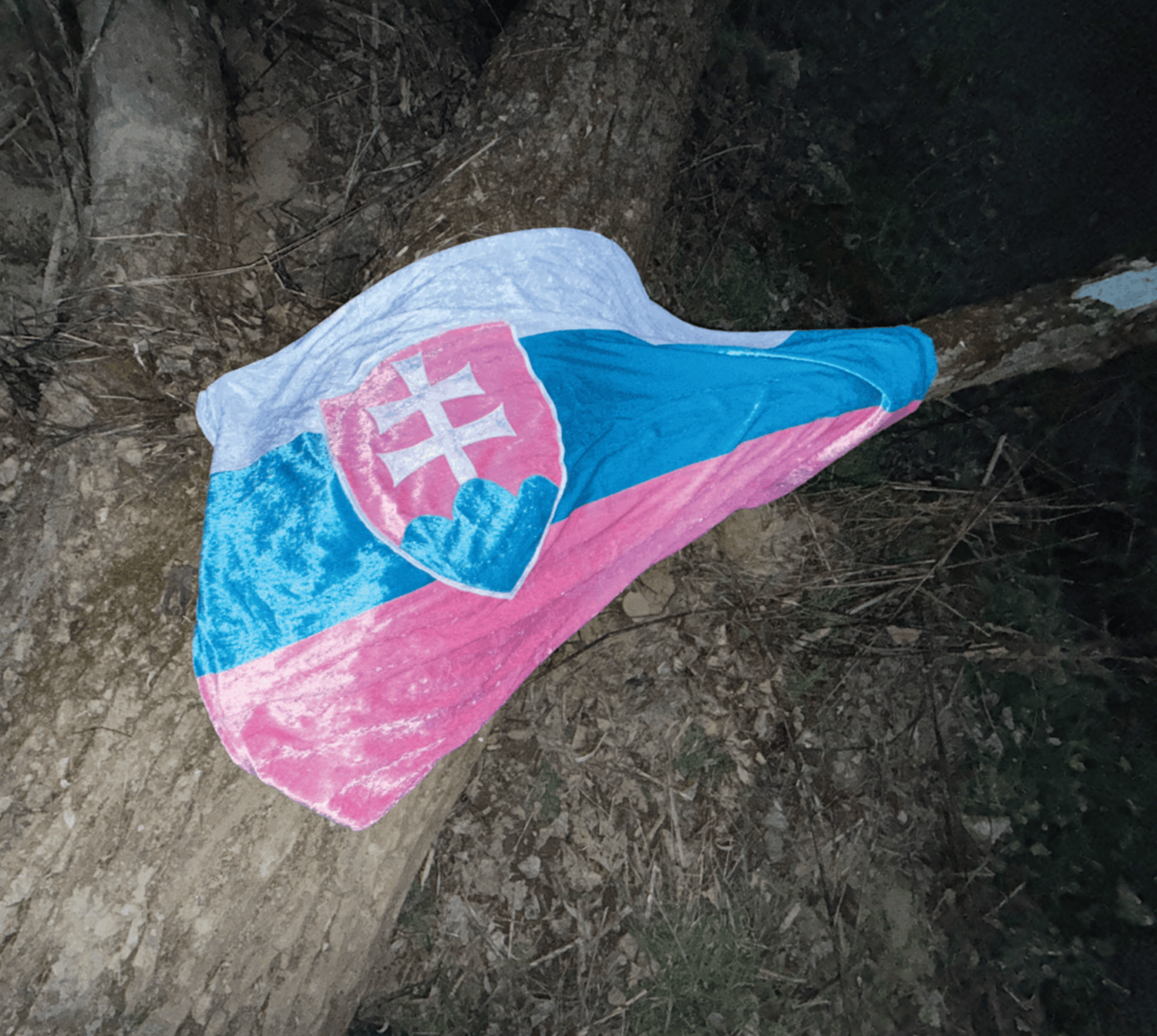
The Slovak national flag has been transformed in Ana’s hands. The traditional Slovak tricolor was replaced by velvet in pink, blue, and white—the colors present on the trans* pride flag. The use of velvet references the heritage of the Velvet Revolution: “Societal transformation is never a closed historical event but an ongoing process. The reconstructed form of the national flag emphasizes the fragility and pliability of symbols often perceived as unchangeable or untouchable,” explains Ana.
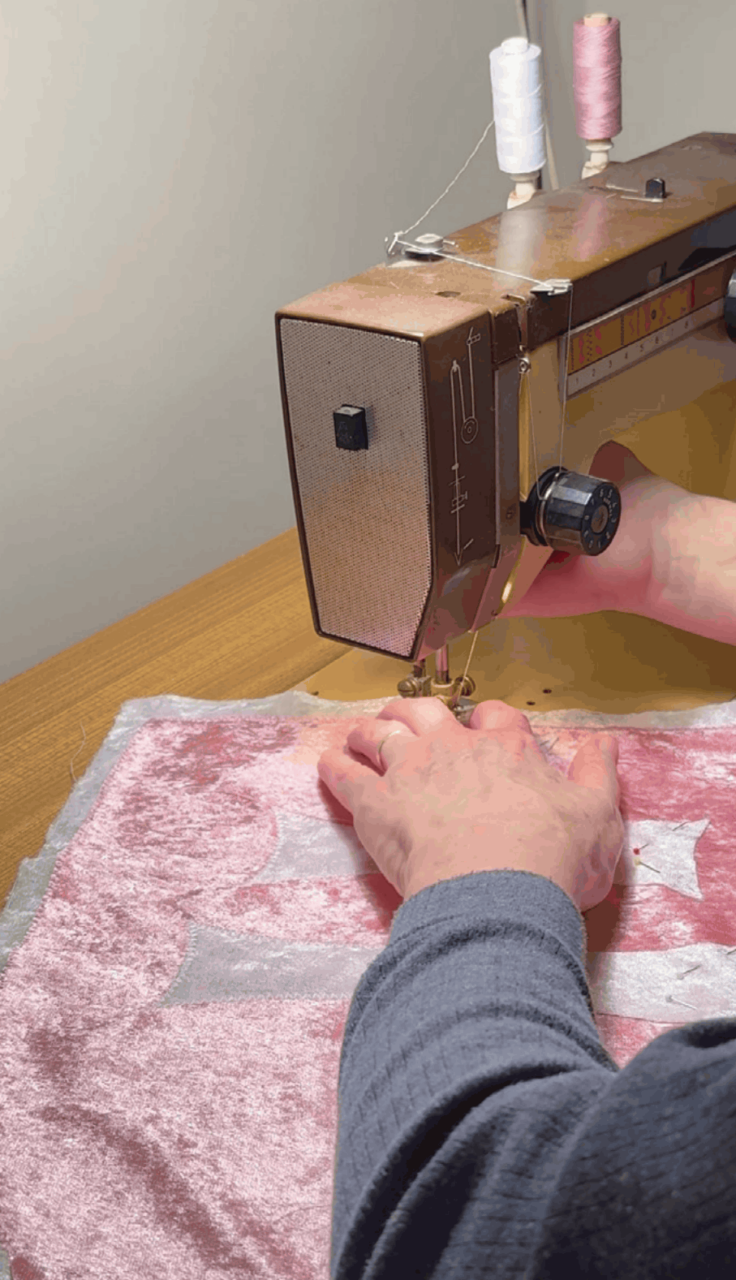
The production process, however, subtly reflects intergenerational tension intertwined with care: it is Sabrina’s mother’s hands that sewed the flag. Despite the fragility of understanding and complicated communication, they found common interest and mutual support in preparing this project and in jointly choosing Ana’s name while eating strawberries in the gazebo.
Ultimately, the swans lose interest in us and swim away. Ana declares that despite all obstacles and plans to leave, she cannot imagine going through transition anywhere else but here: in the water village, where she first realized her difference, first heard Arca’s music, and first felt like herself. In a place that will always remain her home, wherever she may be.
Village in the underground
“Did you know that some fungi have more than 17,000 sexes?“ Tobi is from a mushroom-hunting family. He remembers baskets full of porcini, chanterelles, and honey mushrooms his grandfather brought from the nearby forest since childhood. They were then dried on mesh tables right in the yard and, in winter, floated in Christmas sauerkraut. He recalls walking together across meadows sprinkled with morning dew, searching for traces of forest game in soft forest soil, and rejoicing at every find, even if poisonous or eaten away. Today, his grandfather no longer lives, and the mushroom-hunting baton has been passed to his father. Tobi shows me a framed photo of himself posing with a particularly large porcini mushroom with a smile.
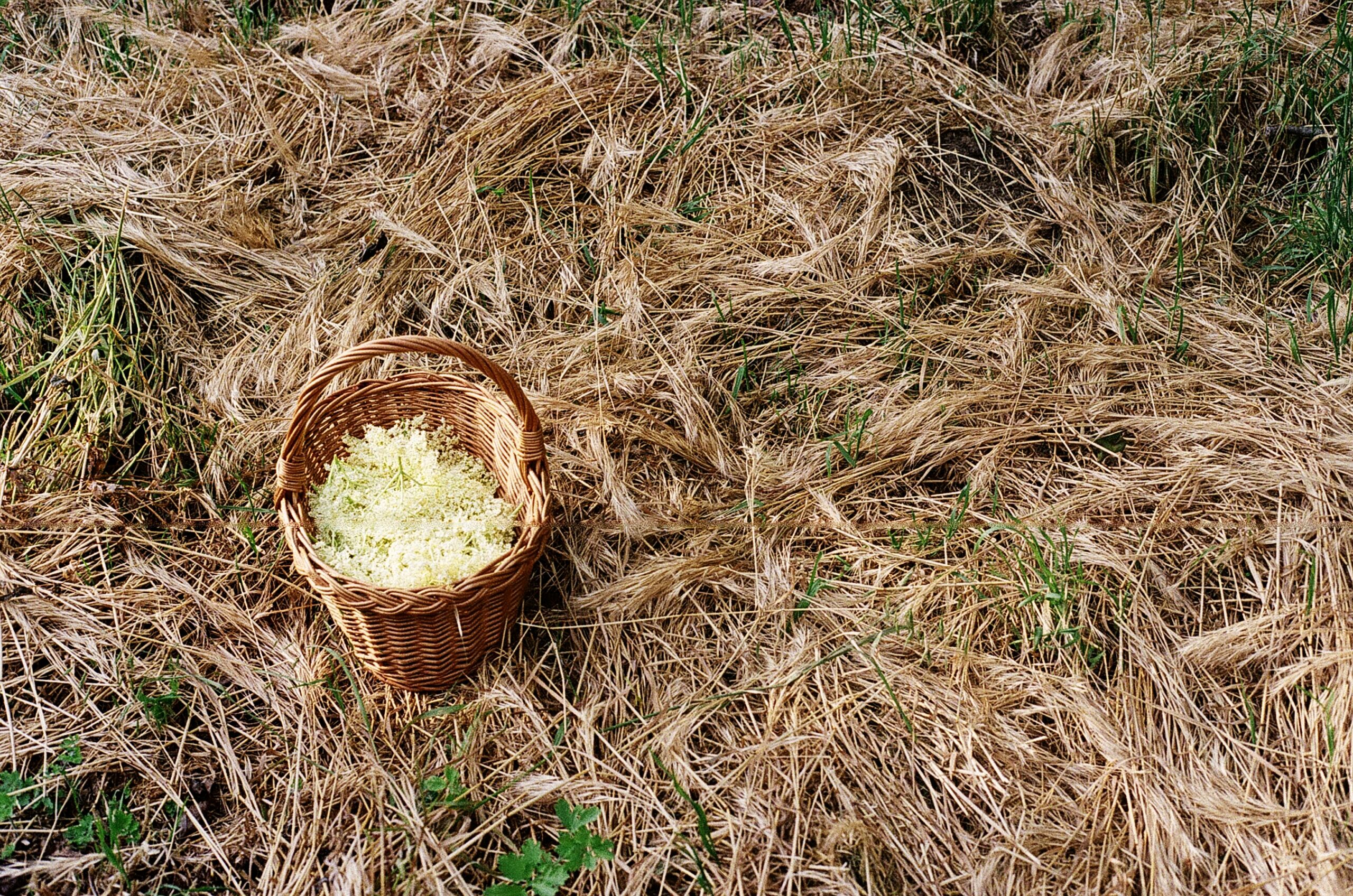
Today, instead of mushrooms, we go with a basket for berries. They grow along a quiet asphalt road, where mainly people with dogs walk, and occasionally a tractor passes heading to nearby fields. The air smells of mowed grass and blooming elderflower, which will later be processed into syrup and shared with family. Tobi grew up mostly in a village located downstream along the Váh River under the Little Carpathians. The village is connected by a main road branching into a few crooked side streets with family houses, a church, a cultural center, and a municipal office that also functions as a post office, archive, and nail studio.
Longing for support
Tobi’s paternal family has lived here for several generations, and most of them still do. They live and age among the trees planted by their ancestors and with friendly families with whom they share everyday life and history. Their mutual interconnectedness resembles mycelium. Tobi adds that in this interconnected network, not only support and the traveling statue of the Virgin Mary from the local church spread, but also gossip and accusations.
“I felt that my identity was just a curiosity for some. When I, as a teenager, confided in a friend that I wasn’t heterosexual, she immediately told my mother and her mother about it to the whole street. Even though I don’t know these people personally, they suddenly knew me as that ‘fag.’ I was really afraid it would get into the wrong ears and put me in danger or cause gossip,” he says while trimming elderflower. At that moment, he decided to seek psychological help, which was not an easy task at all. He found a psychologist in a small town near the village where he used to live, but instead of understanding, he was met with a prayer book and homophobic attitudes.
He also recalls a recent experience with another psychologist who refused him access to transition, claiming he would lose relationships and love if he underwent it. This insensitive and dangerous statement shook him, even though he didn’t believe it was true. “Not only here around, but generally in Slovakia, there is unfortunately little psychological support for LGBTQ+ people. If we want to live fully, we need more support,” he says.
Life in silence
With a basket full of elderberries, we head down the bank to a stream that has been increasingly dry over the years. From the tall grass in the parched bed, a family of nutria looks at us. We arrive at the lower edge of the village, which I recognize only thanks to Tobi’s words and overgrown rusty rails, through which no train has passed for years. It doesn’t look particularly remarkable here, but Tobi surprises me with an unexpected history of this place. Once, in the times of Tobi’s grandmother’s youth, a few men lived here by the train station, whispered about as different. “She said they went to work, to church, and worked on the fields like everyone else. They weren’t anything special, but it was known they were partners,” Tobi recalls his grandmother’s words. “Queer people have always been in the village.”
We imagine together what queer life must have been like then, in silence and on the margins, geographically and socially. For Tobi, life in silence is the reason he left and why he returns. He feels he cannot speak openly about his identity here, nor show himself too obviously. Acceptance—or resignation?—happened in silence: at family celebrations, they stopped shamefully and completely talking about queer people, and neighbors stopped asking when Tobi would finally bring someone. They preferred not to know. After coming out and short haircuts, the oppressive silence lasted for several weeks. News from a few friends became less frequent and eventually stopped. Those friends who remained gradually moved to larger cities for studies, work, or queer communities.
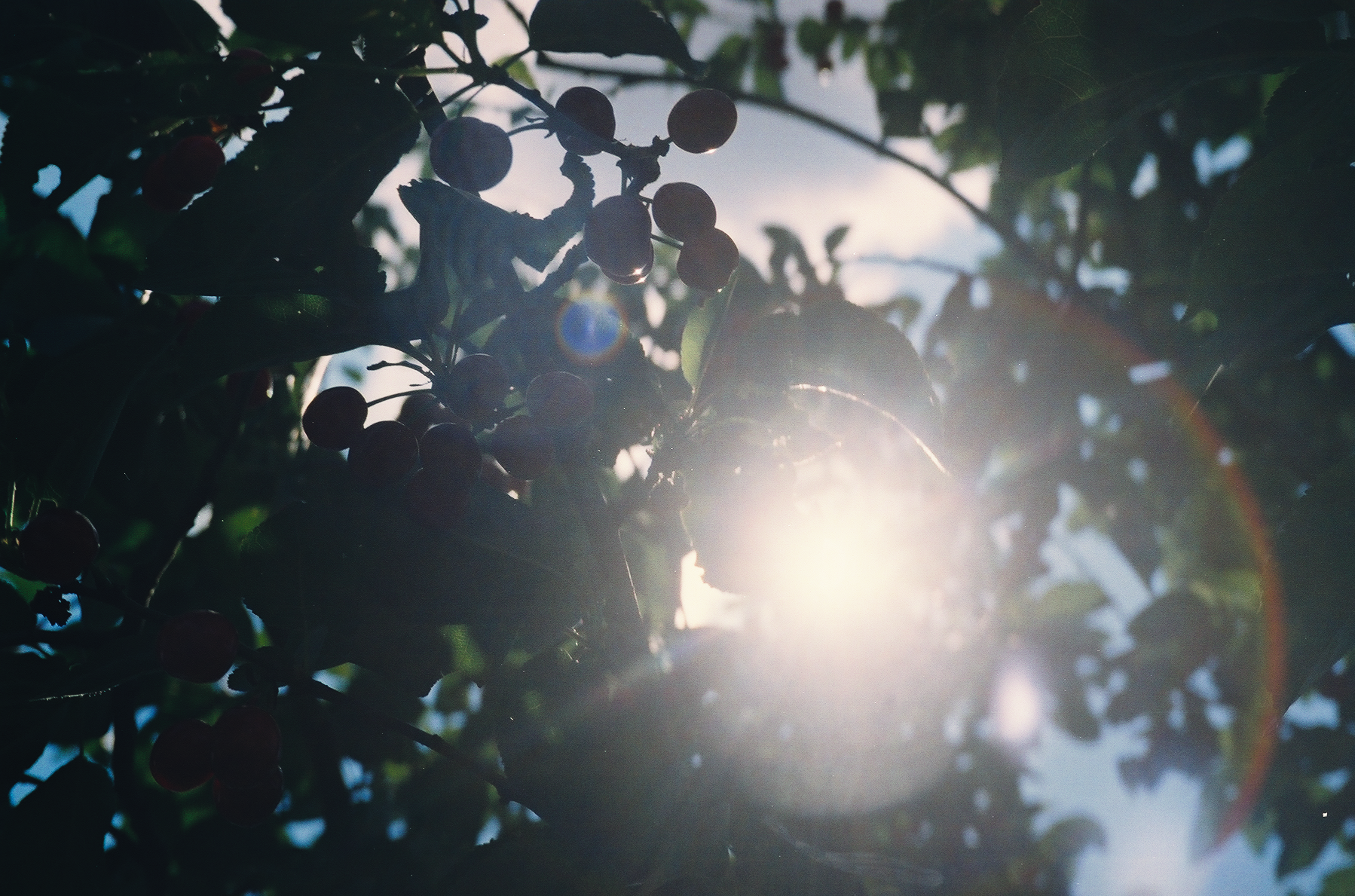
The silence of the fields behind the house, the dried stream, and the forests with mushrooms, however, are something Tobi still seeks out. These places he has visited since childhood are his refuge when he returns by train from the city to the underground: he brings his girlfriend, new friends, a dog, and occasionally parents, with whom he is finding his way. We walk along a well-trodden path among trees to a pond even drier than the stream, where as a child he found a turtle, later privacy in his first queer relationship, and finally space to think about transition—away from the curious eyes of the village.
Sunlight falls on Tobi’s face through the trees. He puts the elderberry basket on a graffiti-covered wall that forms the boundary between the road and the forest.


The text is part of the PERSPECTIVES project — a new brand for independent, constructive, and multiperspective journalism. The project is funded by the European Union. The expressed opinions and positions are those of the author(s) and do not necessarily reflect the views of the European Union or the European Education and Culture Executive Agency (EACEA). The European Union or EACEA assume no responsibility for them.