Blind hatred in Kraków
Voxeurop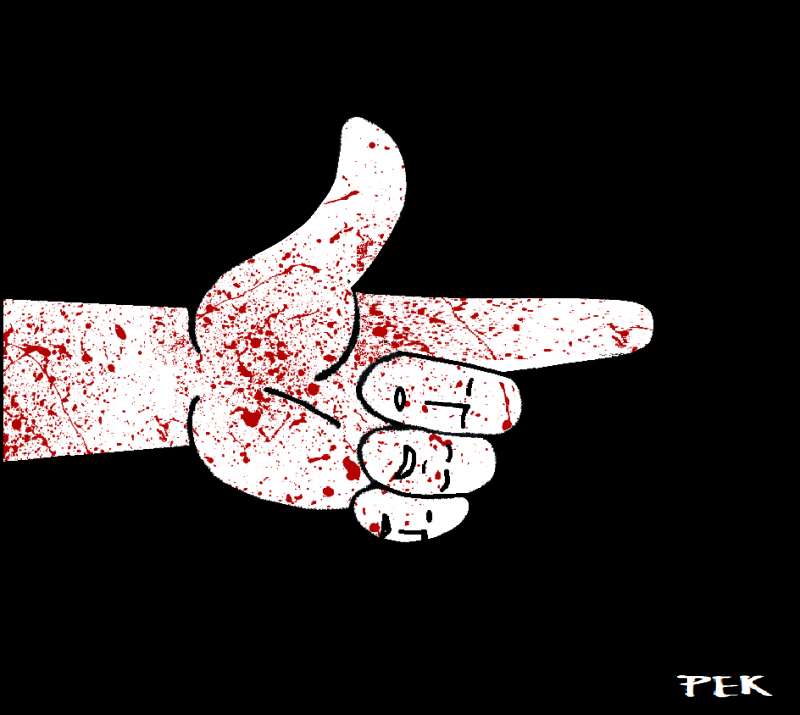
A deadly shooting in a historic city square has intensified scrutiny of far-right radicalisation in a country already gripped by political polarisation. With a constitutional crisis deepening and a nationalist march approaching, what pressures are shaping the public mood?
On 7 November, an armed man drove his car into Kraków’s Main Market Square and opened fire on passers-by with an automatic weapon, killing six people and injuring 15 others before being shot by the police. The man, Michal O., aged 24, is believed to have murdered his parents and sister at the family home before driving to the square. On 9 November, he died in hospital from injuries sustained during his arrest.
According to investigators, he had no previous criminal record. He was a member of a shooting club and “was fascinated by far-right ideologies.”
More :Cas Mudde: ‘Until the mainstream inspires, far right’s defeats are just temporary interruptions’
The incident occurred against a backdrop of extreme political tension and polarisation. On 10 November, a meeting of the Constitutional Tribunal was due to take place. Poland’s highest judicial body is facing a serious internal crisis, with the status of many of its judges in question.
The crisis emerges from a political standoff between the government led by liberal Donald Tusk, and the national-conservative opposition, which includes President Karol Nawrocki. Earlier in 2026, when the Tusk government appointed eight new judges to the Tribunal, Nawrocki refused to swear in five of the appointees. The Independence March, now a traditional event for Polish nationalists, was due to take place in Warsaw on 11 November, and Nawrocki was due to take part.
✍️ Text by Gian-Paolo Accardo