France in flames
Voxeurop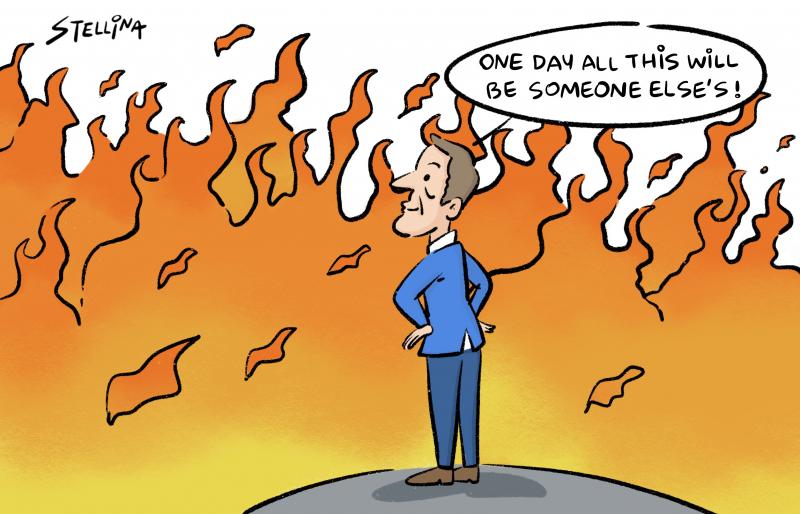
Mass protests over living costs have shaken France, drawing together students, farmers, climate activists and citizens opposed to austerity. But violence, widespread damage, arrests and a death have deepened the crisis. As similar youth demonstrations spread across Europe, what is driving this wave of unrest—and where might it lead?
After scenes of chaos, a sense of shock. On 17 October, between 550,000 and 800,000 people protested across France against the cost of living. The massive day of action brought together yellow vests, climate activists, farmers and other citizens concerned about austerity measures as well as other issues. They were joined by secondary school pupils and university students, who have been demonstrating for several weeks to demand better conditions for their education.
More :Cas Mudde: ‘Until the mainstream inspires, far right’s defeats are just temporary interruptions’
In several towns and cities, peaceful gatherings have been marred by outbreaks of violence and looting, resulting in widespread destruction. Whilst the figures are still provisional, reports suggest that more than 1,500 shops have been targeted, and several hundred million euro worth of damage has been caused across the country. More than 2,000 people have been arrested on the fringes of the demonstrations. In Paris, one man has died of a "probable heart attack", according to police authorities. The violence emerges against a backdrop marked by numerous human rights violations by police, particularly against the student movement that has been rocking the country, six months ahead of the presidential election.
France is not the only country to be rocked by youth protests. Similar demonstrations – which have occasionally also turned violent – have been reported in recent weeks in Belgium, Italy, and Greece, and in Albania students have joined the “Flamingo Revolution”, the protest movement against Edi Rama’s government.