Fields are turning into building plots, villages into suburbs. How is the appearance of municipalities around Bratislava changing?
Kapitál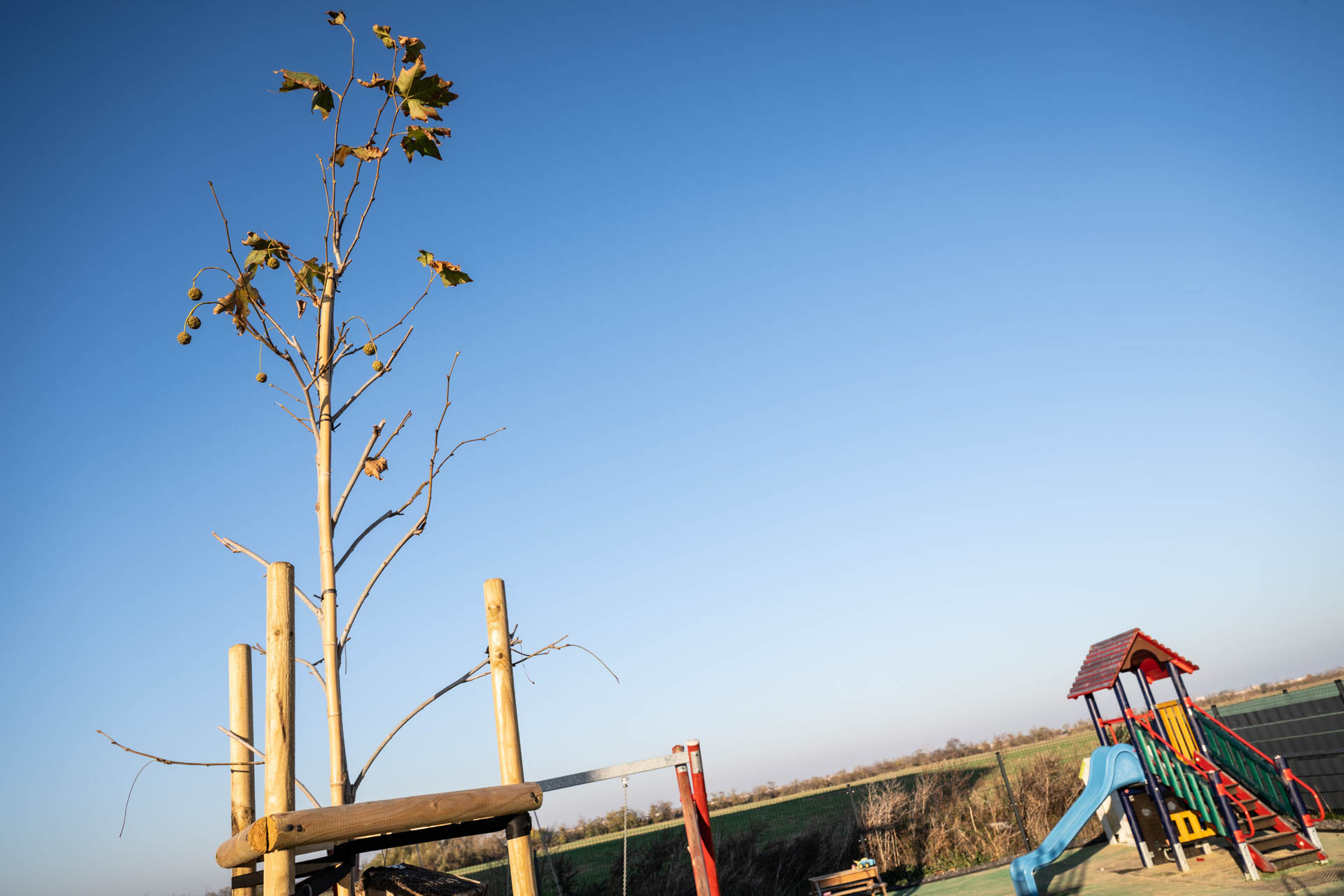
On the outskirts of cities, neighborhoods of family homes are springing up, offering more space and privacy. At the same time, however, they are changing the landscape, transportation, and opportunities for communal life. Who decides what they look like, who pays for their operation, and what will remain of the land on which they are built?
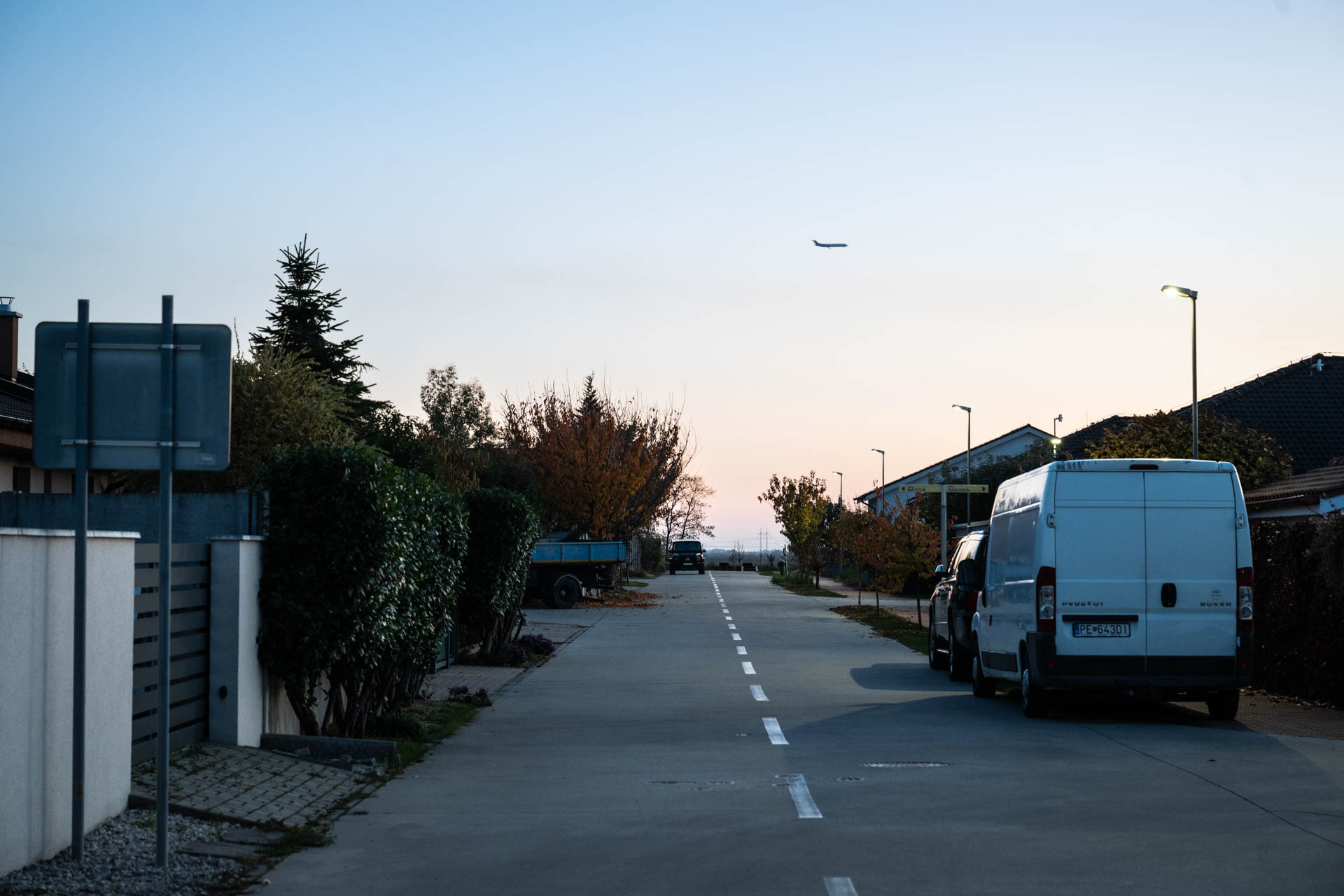
At the end of the street stands the last house. At least for now. Beyond its fence stretches a field that may, in just a few years, become another row of almost identical new-build homes. On the outskirts of Bratislava, a landscape resembling American suburbs is gradually emerging. White façades, anthracite windows, carports and gardens separated by concrete fences. The houses repeat at regular intervals – from a bird’s-eye view, they form an almost geometric network of roofs, narrow plots and asphalt roads. In a landscape divided into private properties, less and less space remains for communal life.
They are not American suburbs in the true sense of the word, but they have adopted something from their cultural image. The idea of one’s own house as a sign of life success, a private garden as a space of freedom and a car as an obvious part of everyday life. Behind the well-kept façades lies the promise of a peaceful family life, far from the bustle of the big city.
In the Bratislava context, however, this dream takes on a particular form. New residential districts are often called satellites, as if they were small bodies orbiting a larger city. A person may move to Rovinka or Bernolákovo, but in reality they do not leave Bratislava. They continue to work there, meet friends, visit healthcare facilities or spend their free time there. What mainly changes is their address and the distance they must cover every day. The term satellite is somewhat misleading, however. These municipalities did not arise as appendages of the capital; they have their own history and social life. Yet their new districts are often built in a way that anticipates everyday dependence on Bratislava.
The decision to move need not be driven by a desire for the countryside. Geographer Martin Šveda, who has long studied suburbanisation in the hinterland of Bratislava, points out that the idea of a family house with a garden often meets the economic possibilities of households. “Our research showed that for almost half of the newcomers, moving was primarily a pragmatic solution to the housing question. The decisive criterion was the ratio between the price and size of the home.”
According to Šveda, these districts represent a relatively new form of construction in the Slovak environment. While older settlements gradually developed around existing streets and public spaces, new residential projects can grow as independent housing complexes whose connection to the rest of the municipality remains limited.
For some families, a house in a municipality near Bratislava is therefore a more affordable alternative to a sufficiently large flat in the capital. This does not mean, however, that mainly socially disadvantaged households are moving to the suburbs. According to Šveda, they are often educated, economically active young families. The difference lies in the choices available to individual households, determined by their income and the housing market. More living space outside the city may be advantageous, even though some housing costs are subsequently transferred to daily commuting.
As more houses are added, the very form of the municipalities changes. Former fields are divided into building plots, new streets emerge and entire residential districts are created. To what extent is their form determined by the needs of the population, and to what extent by the economic interests of those earning money from the expansion of municipalities?
Every Metre Counts
After 1989, agricultural land around Bratislava gradually became a lucrative investment asset. Restitution restored private ownership of land, and growing demand for housing created conditions for its extensive development. Fields that had served as the economic and landscape hinterland of villages for generations acquired the potential for the construction of dozens or hundreds of family houses.
Looking at new residential districts, it is easy to see how this territory was conceived. The land is divided into plots, access roads are built between them and a house rises on each plot. Research into suburbanisation in Bratislava’s hinterland describes the expansion of construction on plots measuring approximately 500 to 600 square metres. The development takes various forms: single-storey bungalows, two-storey houses with flat roofs, terraced houses, semi-detached houses connected by garages, and smaller apartment buildings. Their common feature is the thorough division of the territory into private properties and roads providing access to them.
For a developer, every square metre represents both a cost and an opportunity for future profit. They must finance the purchase of land, project documentation, utilities and the construction itself. It is therefore economically understandable that they try to maximise the area available for sale. A park takes space away from additional plots, and a square in itself does not generate as immediate a return as several building plots.
The investors’ economic interests alone do not explain the resulting form of the suburbs, however. According to Šveda, the way municipalities guide construction also plays a decisive role. “A developer naturally seeks to increase the economic value of an investment. The problem arises when public administration is unable to establish conditions ensuring that a private investment plan also contributes to the development of a high-quality settlement environment.” He cites Chorvátsky Grob as an example, whose development his research team has been following for a long time. According to his findings, gradual changes to the zoning plan and the approval of individual projects contributed to the creation of extensive residential areas without adequate infrastructure or mutual connections. The costs of addressing the resulting problems largely remained with the municipality and its residents.
The final state need not be the consequence of a single bad decision. Each project may independently meet the required conditions, yet their gradual accumulation can produce a municipality whose individual parts are unable to function well together. Decisions about specific plots thus have consequences far beyond the boundaries of the land to which they directly relate.
Developers understand the appeal of shared space very well. Visualisations of new projects feature green streets, children on bicycles and people sitting on benches. Community, neighbourhood and a peaceful environment are among the favourite attractions of real-estate marketing. Some newer districts also feature squares, cafés or mixed-use buildings.
In this context, Šveda draws attention to the concept of ersatz urbanism, also known as ersatz urbanism. “It is an attempt to create an environment that visually resembles a city but does not necessarily possess its actual functions or social diversity.”
A square in itself does not guarantee the emergence of a lively centre. It also matters whether it is accessible on foot, whether services are located around it and whether people from the original municipality can use it. A convincing image of a neighbourhood can be created in a visualisation. Whether anyone will regularly stop in the square, however, will only become clear through everyday use. “A genuine public space should not be intended only for the residents of a particular development project; it should connect the new district with the original municipality,” Šveda stresses.
Close Together, Far Apart
A family house with a garden promises independence from its surroundings, the possibility of creating one’s own environment according to personal needs and deciding with whom to share it.
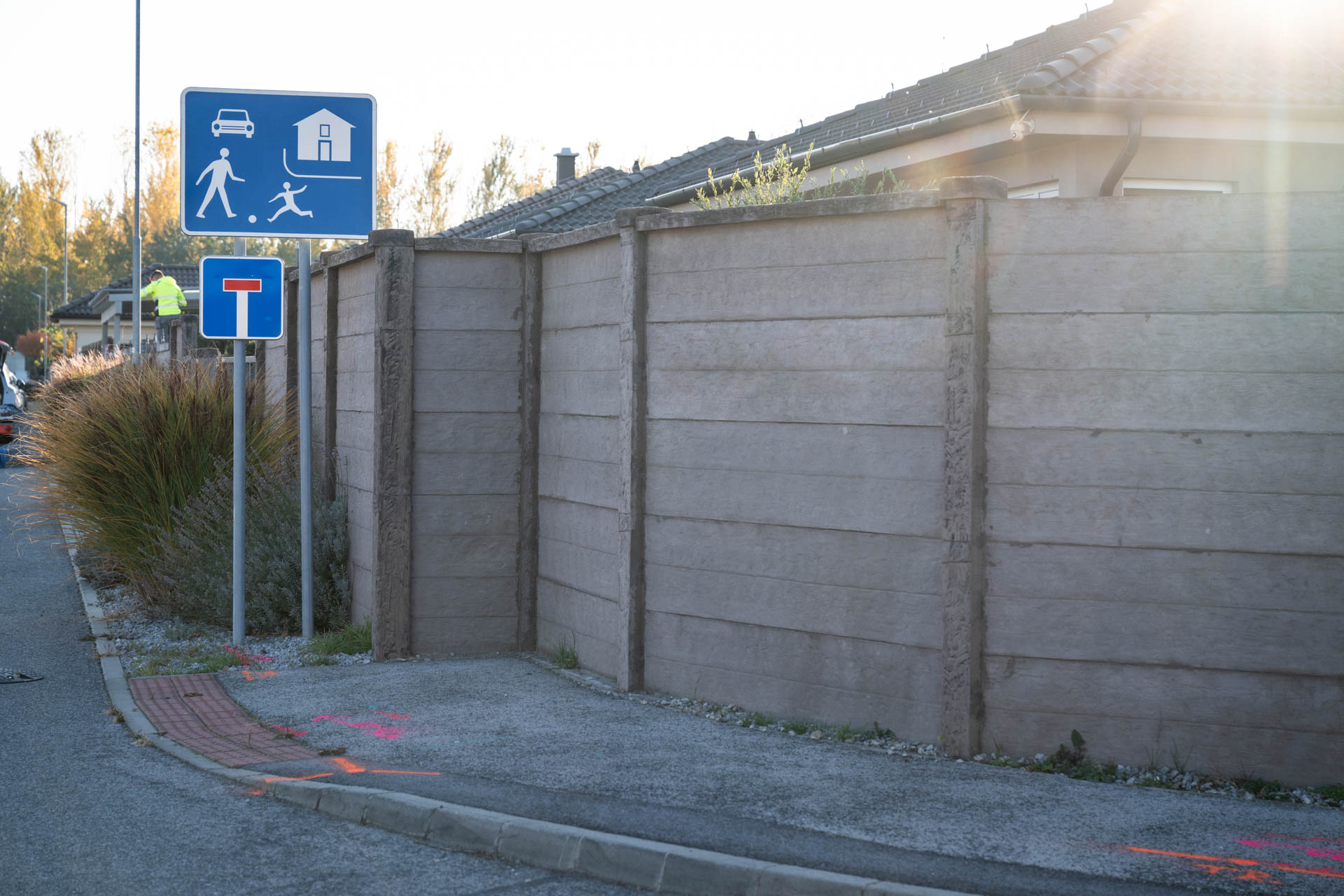
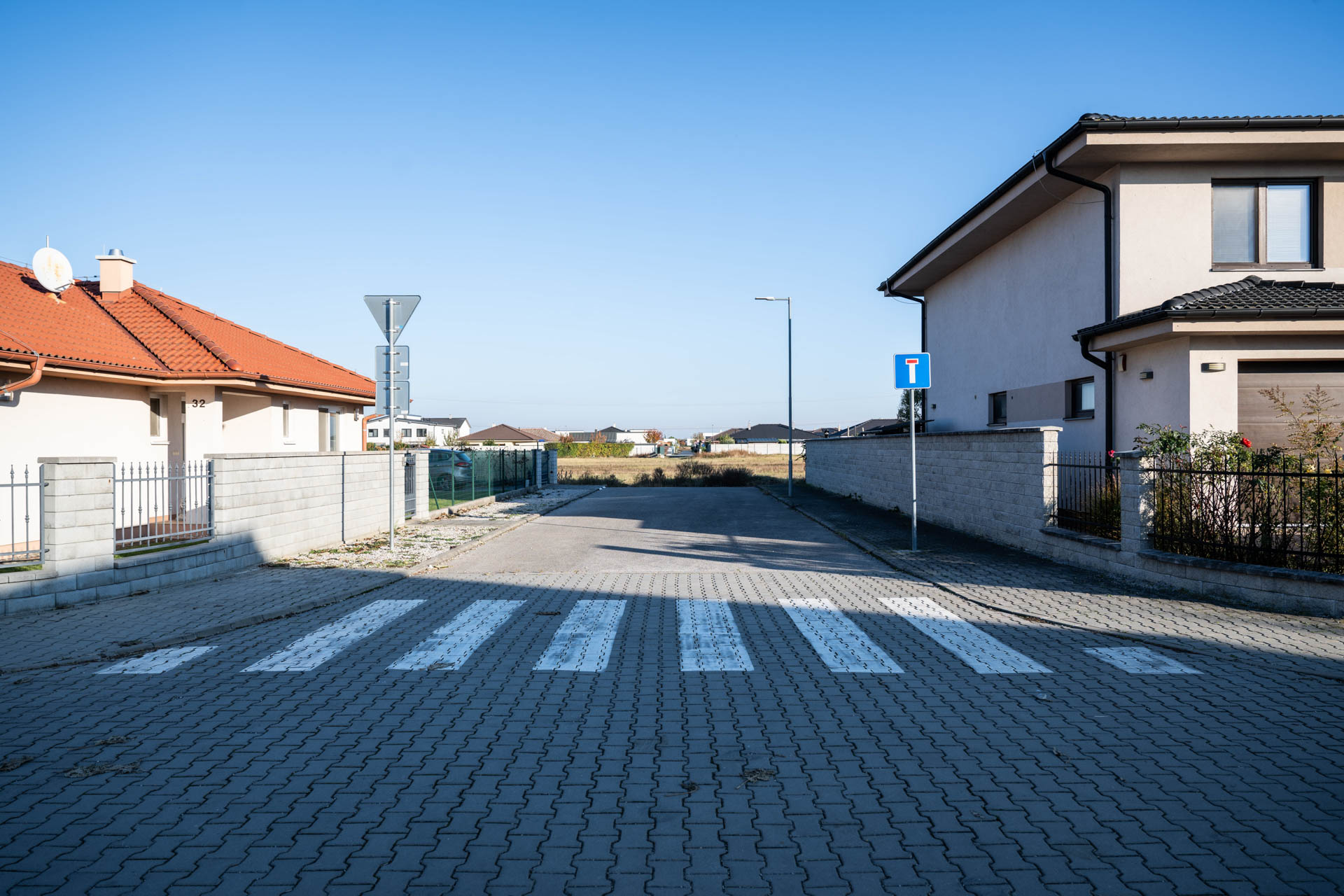
On the new streets, it is striking how consistently their architecture works with privacy. Houses are often only a few metres apart, yet high walls, gabion fences, opaque gates and wire fences covered with green screening sheets limit views of neighbouring properties. Facing the street, they open mainly onto driveways and parking spaces, while gardens and terraces remain hidden behind the houses.
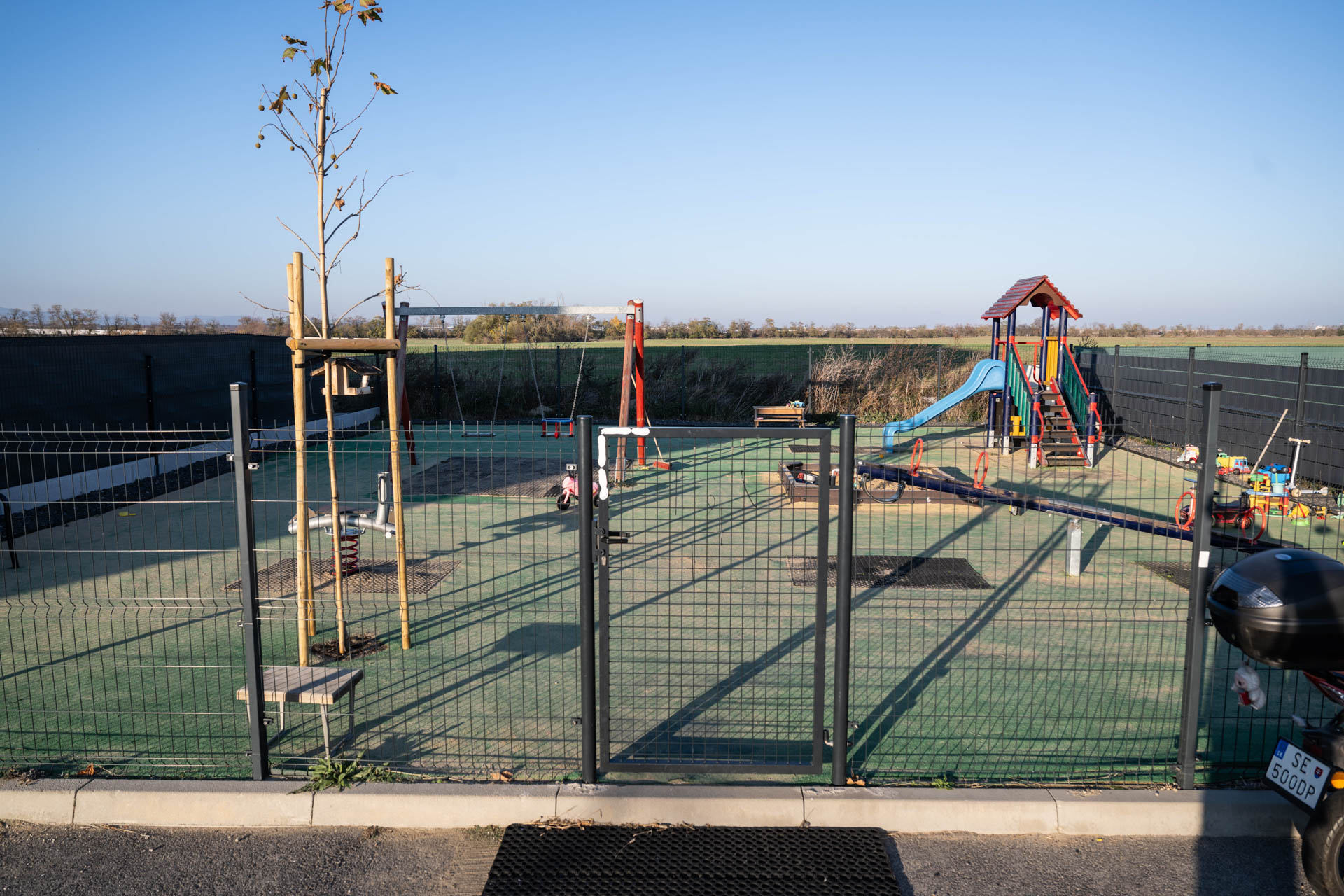
There is nothing problematic about the desire for privacy. For many households, the ability to decide over their own space is precisely one of the main reasons they prefer a family house. A private garden can partly replace a park, a terrace can provide a place to sit, and children’s games can move behind the fence. Basketball hoops stand in front of many houses, some portable, others fixed above the garage door. The driveway or parking area thus also becomes a playground. Families adapt the available space to their own needs, although opportunities for shared play outside individual properties may remain limited.
The traditional village should not be idealised, either. Neighbourly relations there were not always voluntary and often not pleasant. Closeness could mean mutual assistance, but also surveillance, conflict or the exclusion of people who did not fit local ideas of the right way to live. The village did, however, have certain spatial qualities that supported everyday encounters. A trip to the shop, time spent in front of the house or movement along the main street created opportunities for contact even between people who did not deliberately seek one another out.
As municipalities expand, the nature of everyday movement also changes. Some shopping shifts to commercial zones accessible primarily by car. In new residential districts, streets end in cul-de-sacs and neighbouring projects may lack direct pedestrian connections.
“If a street is designed primarily as an access road to garages, residents spend very little time there. In the morning they get into their cars, in the evening they park behind the fence, and between those two moments their everyday lives take place mostly outside the district. In such an environment, there are few opportunities for spontaneous encounters,” Šveda explains.
It would nevertheless be wrong to conclude from this that suburban residents live in isolation. “Our research probe in Stupava showed that approximately two-thirds of respondents took part in joint activities with neighbours. Social relations arose through caring for shared spaces, solving infrastructure problems or activities connected with children,” Šveda says.
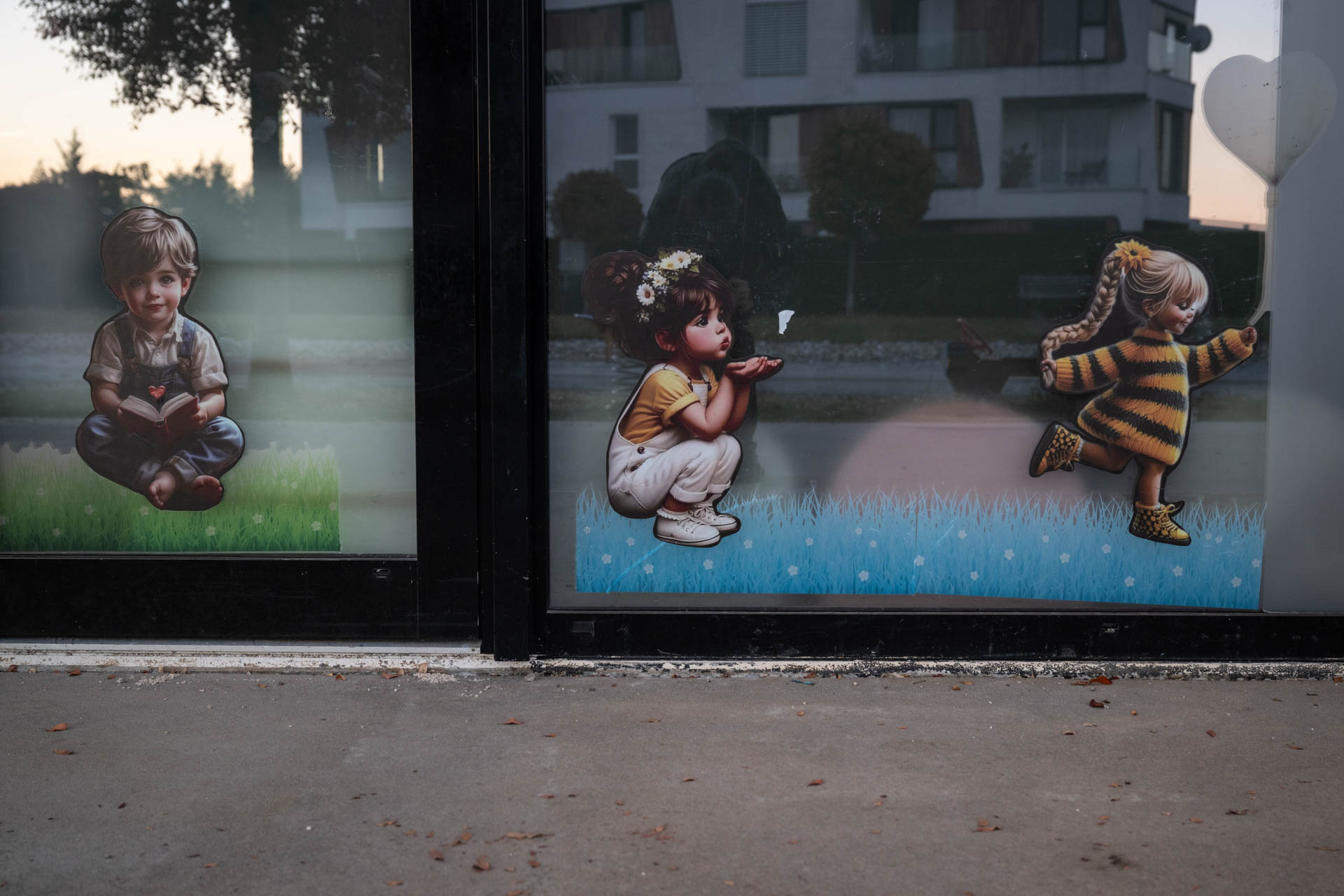
Children in particular show the importance of how new districts are arranged. Relations between families may be good, but children’s opportunities to meet independently remain limited if safe and accessible shared spaces are absent between the houses. Friendships may then centre around kindergartens, clubs or visits organised by parents. Children from one district may not meet because they live close to one another, but because they attend the same institution. A Montessori kindergarten, for example, may create a functioning community of families, but its existence does not guarantee that all children in the area have similar opportunities to meet. The question therefore remains how much space children have to form their own relationships outside adults’ programmes.
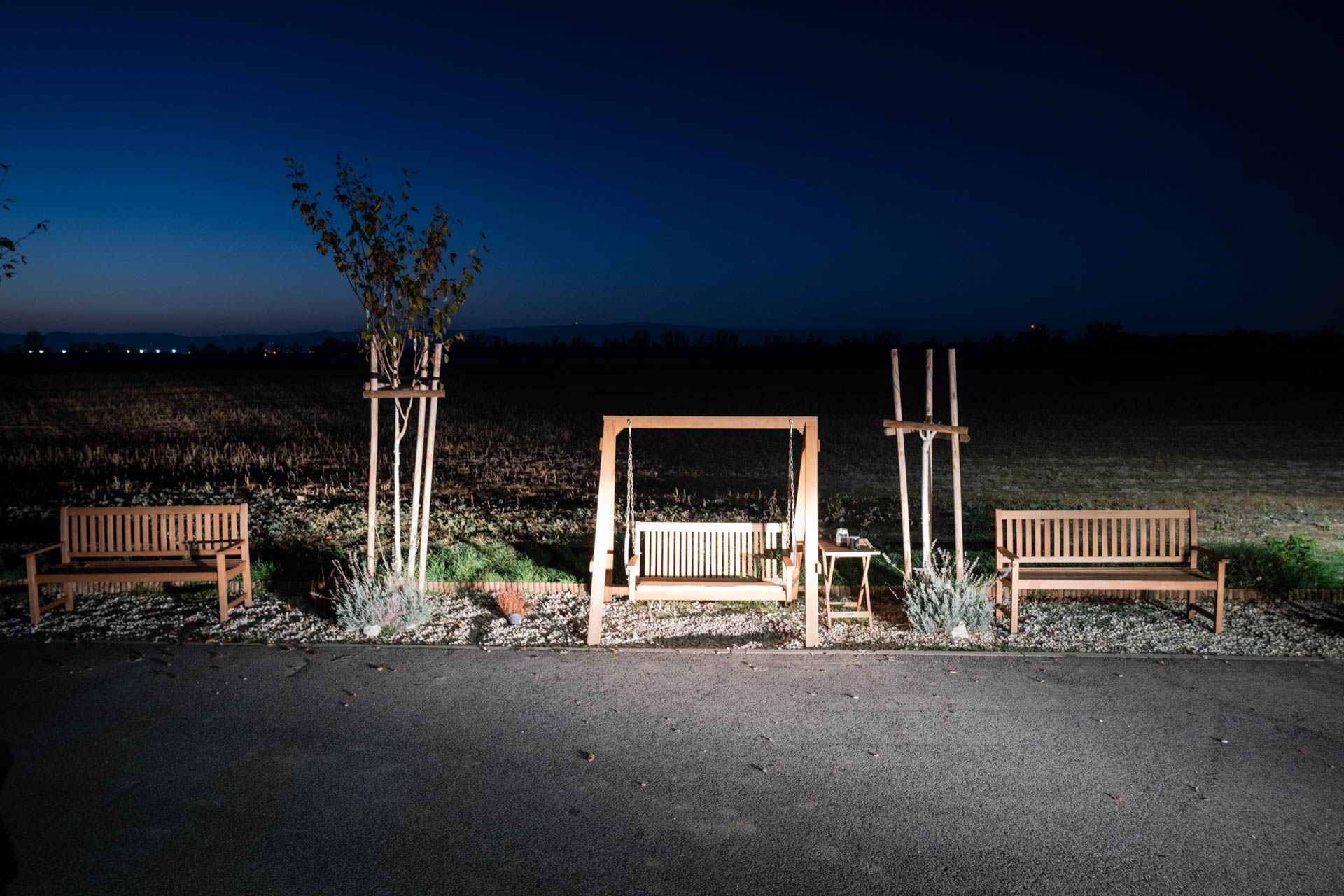
Neighbourly relations do not, however, testify to the quality of public life. Meeting in a neighbour’s garden presupposes an invitation. Spending time in a square, park or on a bench beside the pavement does not. Public space enables encounters between people who do not know one another and may never get to know each other more closely. It is accessible also to those who do not belong to local neighbourhood groups or do not have their own garden.
Spatial arrangement therefore does not determine whether good relations will arise between people. It can, however, influence how often their paths cross and whether they need a private invitation to spend time together.
Who Will Pay for the New Suburbs?
From an economic perspective, the arrival of new residents can be attractive for a municipality. More people with permanent residence may mean higher revenues from shared taxes, new revenues from property taxes and greater demand for local services. Construction can bring business opportunities and transform a previously stagnant municipality into an attractive place for young households.
But growth also brings increased demands on local roads, street lighting, waste management, schools and kindergartens. Scattered development also complicates public transport operations. Buses have to serve a larger area with fewer passengers at individual stops. Dependence on cars is thus created during the planning of a district, long before its first residents move in.
The difference lies primarily in the timing of revenues and expenditures. New houses can be sold within a few years, while the costs of operating an expanded municipality will recur for decades. Building a school also requires a large one-time investment, for which the municipality may not have sufficient resources.
Nor does population growth automatically translate into municipal revenues to the same extent. For example, it matters how many newcomers register permanent residence in the municipality. A person may use local roads and services, but if their permanent residence remains in Bratislava, they are counted there when the relevant share of shared taxes is distributed.
The capabilities of municipalities are not comparable with those of large investors. “A particular problem is the imbalance between the capacities of developers and small municipalities. While a large investor has professional, legal and economic support, a small municipality often lacks comparable staff and expertise,” Šveda notes.
Municipalities must therefore decide on projects whose consequences will only appear years later, often without sufficient support for assessing their long-term costs. Moreover, they may compete with one another for new residents and investments, which, according to Šveda, weakens their willingness to impose stricter construction conditions.
The problem extends beyond the boundaries of individual municipalities. A decision on new construction in one location can increase traffic loads in neighbouring settlements and Bratislava. Municipalities, however, often decide on their development independently, even though the consequences of their decisions are borne by the wider region.
The local development charge enables municipalities to obtain part of the funds for public infrastructure, but it is a one-time income. A school needs teachers, roads need maintenance and public spaces need regular care even after the last house has been sold. Extra money will not help if all suitable land has already been divided into private properties.
What Will Remain of the Landscape?
When looking at new residential districts, attention naturally focuses on the houses that have been added. Much less is said about the land that disappeared because of their construction. The Danubian Lowland is among the most fertile agricultural regions in Slovakia. Its fields stretch across soils that include significant areas of chernozem and black earth. Building on them means losing high-quality soil that formed over thousands of years. Although the law requires developers to remove the fertile topsoil and ensure its further use, this does not solve the problem of building over the land. The removed soil can be used elsewhere, but the field on which houses and roads rise can no longer be cultivated.
From an economic perspective, transforming agricultural land into building land is particularly attractive. Its market value can rise considerably after a change in land-use designation, even though the soil itself has not changed in any way. It is enough that construction becomes possible on it. A public-administration decision can thus create substantial private asset value. There is considerably less discussion, however, about who receives it and what share the municipality recovers than about the prices of future properties.
Built-up and paved surfaces also change the way the landscape retains water and responds to high temperatures. The expansion of settlements can interrupt continuous natural and agricultural areas, while each additional district requires transport connections and technical infrastructure.
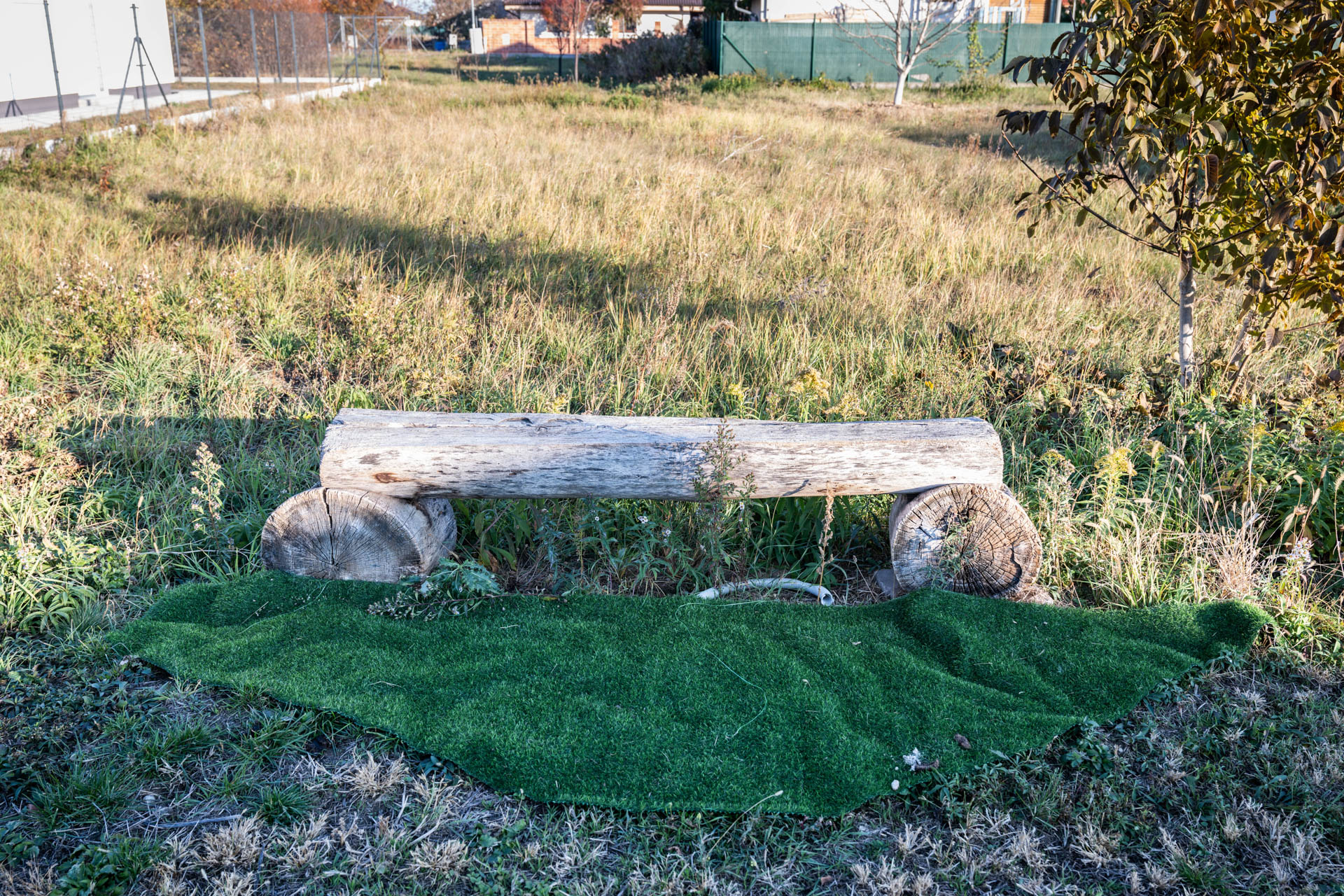
Proximity to nature is often among the arguments in favour of living outside the city. A house is sold with a view of a field or meadow, and a peaceful environment becomes part of its price. If neighbouring plots are developed in the same way, however, the view that originally increased the property’s attractiveness may disappear in a few years. Each additional household buys access to an environment that changes as development gradually expands.
Decisions about the future of municipalities near Bratislava therefore also concern the management of land whose quantity is finite and whose development represents a decision with consequences for entire generations.
The Boundaries of Future Development
The development of these municipalities shows how different ideas about the same territory can coexist. For the landowner, the land is an asset whose value can be increased. For the developer, it is an investment opportunity. For the buyer, it is the place of a future home, and for the municipality, it is territory whose functioning it will remain responsible for even after construction is complete.
Many decisions are very difficult to correct years later. “A house can be rebuilt, a façade renovated and public space subsequently adapted. It is much more difficult, however, to change divided-up land, the street network or the spatial relationships between individual parts of a settlement,” Šveda warns.
He sees a way forward in changing the approach to planning itself. “First of all, we should stop thinking of a new residential district as a collection of building plots and start seeing it as a fully-fledged part of the municipality.” According to Šveda, a suburb should combine quieter living, access to greenery and more private space with an appropriate development density, services and high-quality public spaces.
He cites Scandinavian suburbs as an example, where terraced houses, smaller apartment buildings and more compact residential complexes exist alongside family houses. More diverse housing makes it possible to create a sufficient base for shops, services and public transport, while residents do not have to travel by car for every ordinary activity.
The houses that stand today at the edge of the field will probably remain there for generations. Their residents will grow old, their children will grow up and the needs of the municipality will change. A district designed primarily for young families with two cars will one day also be home to people who can no longer or do not want to drive. At that point, access to services, safe pavements and public transport will become even more important.
Over time, today’s residential projects may become natural parts of municipalities with their own traditions and neighbourly relations. Their form, however, will continue to bear the traces of decisions made long before anyone moved into them. Private ownership determines the boundaries of individual plots today, but it should not determine the boundaries of our idea of good housing.

This text was created with the support of the Rosa Luxemburg Stiftung foundation, represented in the Czech Republic. The publisher is fully responsible for the content; the views presented in the text do not necessarily represent the foundation’s position.