Non ancora una nuova storia: Ungheria tra liminalità e controfattualità
New Eastern Europe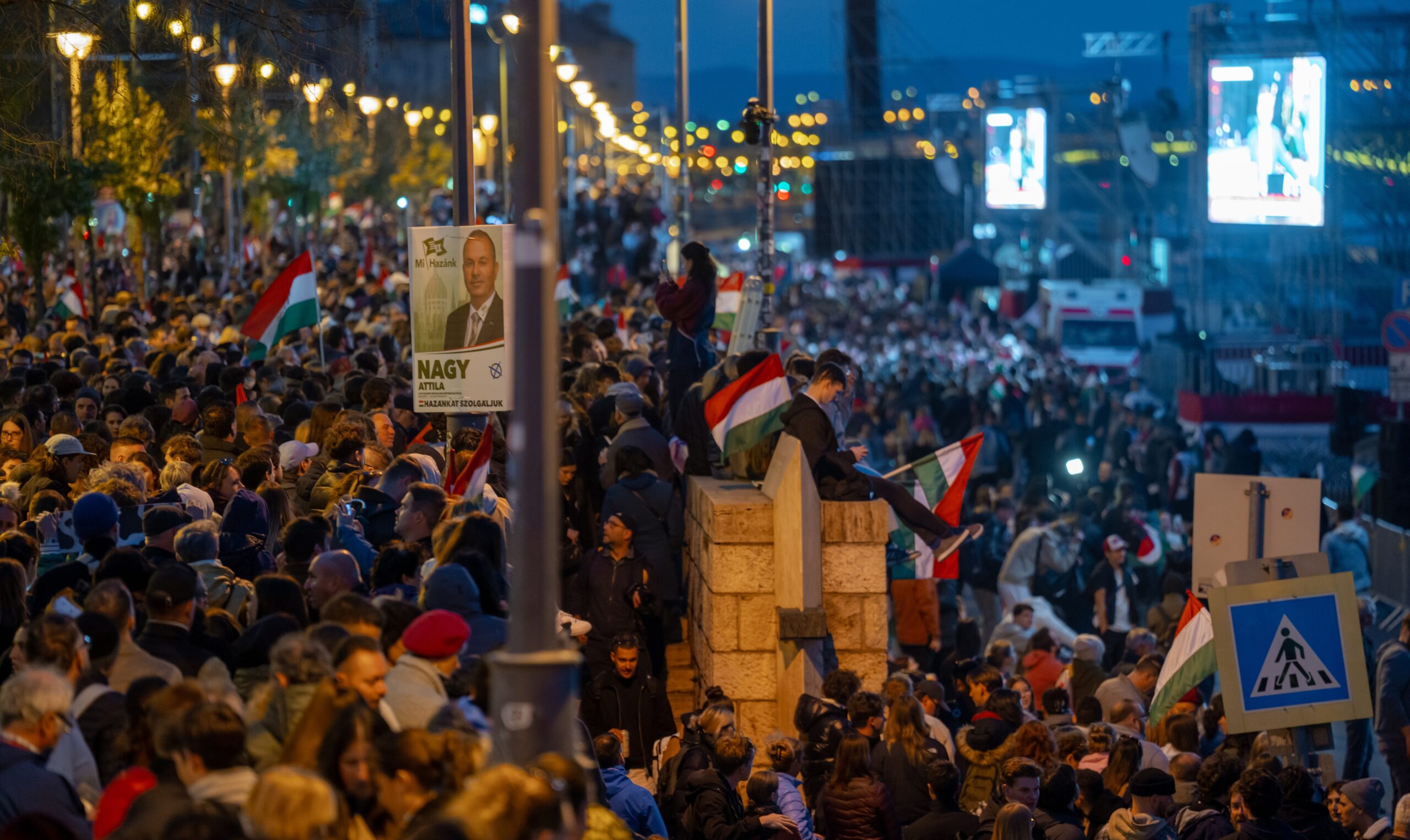
Le recenti elezioni in Ungheria hanno incoraggiato il dibattito sui prossimi passi del paese. Tale cambiamento avverrà non solo ai vertici, ma in tutta la società, con fattori sia passati che presenti che influenzano questa transizione.
In aprile ho pubblicato un saggio intitolato “Innocenza Violenta e la Fragilità della Transizione Democratica”. Parlava di cosa è successo quando l'Ungheria ha rimosso, attraverso un'elezione, un governo che aveva trascorso sedici anni smantellando le istituzioni destinate a limitarlo. Commentavo un articolo del Dr Zsolt Unoka, uno psicoanalista ungherese, che si basava sul concetto di Christopher Bollas di “innocenza violenta” per esaminare se i vincitori potessero resistere agli stessi schemi psicologici che avevano plasmato il regime che avevano sostituito.
Ho concluso quel saggio con un'ambizione: che il contributo dell'Ungheria questa volta potesse essere diverso. Non un avvertimento. Un modello.
Da aprile sto sviluppando il progetto che ho descritto in quel saggio. Ho invitato storici, giornalisti, accademici e figure della società civile a osservare con me, nei mesi e negli anni a venire. Il gruppo osserverà cosa succede, cosa diventa delle promesse fatte, e l'impatto che i cambiamenti hanno sul paese. Osserverà anche se coloro che sono al comando sono disposti a confrontarsi con le domande che le loro decisioni sollevano.
Quel lavoro ha sollevato una domanda a cui torno spesso. Non è se ho il diritto di farlo e la questione della legittimità. Piuttosto, è da quale posizione sto parlando, e cosa quella posizione mi permette di vedere o non vedere?
Sono nato a Budapest. Siamo emigrati in Svizzera quando avevo due anni. Mio padre ha chiesto asilo politico quando avevo dieci. Ho perso il diritto di chiamarmi ungherese. Sono cresciuto a Ginevra, in una famiglia disfunzionale plasmata dal trauma dell'Olocausto e dalla morte precoce di mio fratello. Quando avevo diciotto anni, l'unità familiare era esplosa. Quello che portavo dell'Ungheria era la lingua, ma una padronanza limitata, il vocabolario di un bambino. Non la cultura, non il peso del 1989, non la speranza degli anni post-comunisti, non le sue illusioni, e non il danno lento degli anni Orbán.
Amici ungheresi non mi hanno chiesto della mia legittimità. Hanno chiesto qualcosa di più diretto. Mi pregano di non venire a dire loro come fare le cose. Perché sanno che non lo so. Non so quale difficoltà abbiano attraversato, né il prezzo che hanno pagato. Non so cosa sia vivere con una mentalità plasmata da decenni di imparare ad avere paura di parlare. Questo non è mai stato il mio caso, anche se a volte mi ha causato problemi. Mi pregano di non pensare che pochi mesi in Ungheria mi permetteranno di capire.
Sento il bisogno di rassicurare chi pensa che potrei farlo. Non lo faccio. So di non farlo.
Altre esperienze di vita che mi hanno insegnato sono che la comprensione è opzionale. Ciò che è imperativo è essere aperti ad imparare, osservare, ascoltare, e accettare che le cose sono diverse in modi che forse non comprenderò mai completamente.
E quando mi viene chiesto perché invito contributori che non sono nati in Ungheria, che sono cresciuti altrove, che sono partiti trent'anni o quaranta fa, la risposta è collegata. Quello in cui credo è che
l'eredità ungherese, per quanto incompleta, ci collega al paese in un modo che non è patriottico nel senso che Orbán ha dato a quella parola. È più silenziosa di così. Più profonda. Il paese non è solo un luogo. È un punto di riferimento che ti plasma anche quando la trasmissione è stata interrotta.
Ma c'è un'altra ragione. Ciò che sta succedendo in Ungheria non è solo una storia ungherese.
È se una democrazia può riprendersi dopo uno smantellamento sistematico. Se le istituzioni possono essere ricostruite una volta che sono state svuotate. Se una società può recuperare la capacità di immaginare qualcosa di diverso dopo anni di essere stati detti che non c'è nulla da immaginare. Queste non sono domande ungheresi. Sono le domande di questo momento, in molti luoghi contemporaneamente. Contributori che portano altri riferimenti, altre esperienze di fragilità democratica, vedono cose che la prossimità da sola non può rivelare.
Più ho lavorato su questo progetto, più credo che un modello sia possibile. Ma non ci saranno risposte pronte all'uso. Questi non sono problemi alla ricerca di soluzioni, ma probabilmente tentativi di soluzioni che a loro volta solleveranno nuovi problemi. Perché la situazione è unica, solleva domande che sono uniche.
Mentre lavoro su questo progetto, torno spesso alle prospettive di due pensatori che sembrano destinati a lavorare insieme su ciò che l'Ungheria sta affrontando oggi.
Árpád Szakolczai è un antropologo politico ungherese che ha dedicato la sua carriera a riflettere sulla liminalità: la condizione di essere sospesi tra ciò che era e ciò che non è ancora arrivato. Le società in transizione non si stanno spostando da un ordine all'altro. Sono bloccate alla soglia. L'Ungheria è probabilmente lì dal 1989.
Mark Hunyadi è un filosofo nato a Ginevra da genitori ungheresi in fuga. Il suo concetto centrale è “controcampo”: la capacità di percepire il divario tra ciò che è e ciò che potrebbe essere, ciò che dovrebbe essere, e ciò che si spera. È, per Hunyadi, il cuore di ciò che ci rende esseri morali. Senza di esso, non possiamo criticare il presente. Non possiamo immaginare un'alternativa. E se non possiamo immaginare un'alternativa, non possiamo costruirla.
Ho bisogno di entrambi nel mio progetto. Forse hanno bisogno anche l'uno dell'altro.
Quello che condividono, oltre all'ovvio, è una destinazione. La liminalità di Szakolczai non è destinata a essere permanente. È una soglia che si suppone si attraversi, emergendo in qualcosa di più consapevole e più solido. La controfactualità di Hunyadi non è destinata a essere infinita. Si suppone porti ad azioni concrete, non a dubbi permanenti. Il punto di entrambi, soglia e immaginazione, non è rimanere in esse ma superarle.
Questo è anche ciò contro cui avvertono entrambi, indipendentemente. Quando la liminalità diventa permanente, quando l'immaginazione controfattuale non porta mai ad azioni decidibili, una società non crolla. Al contrario, perde la sua anima. Rimane alla soglia, immaginando all'infinito ma senza mai arrivare.
Negli ultimi 37 anni, l'Ungheria è mutata. Ma non proprio nella direzione sperata dopo ciò che il 1989 aveva promesso. Con Orbán, si potrebbe quasi dire che la mutazione è andata in retromarcia. La controfactualità è ciò che, nonostante tutto, ha mantenuto viva la speranza di completamento.
La mossa di Orbán è stata offrire una falsa uscita. Siamo arrivati. Basta sognare, siamo qui! In un certo senso, la liminalità è stata sospesa. Ha imposto il suo cambiamento senza essere disposto a fare il lavoro necessario con il paese.
Ora, dopo il 12 aprile, la liminalità dell'Ungheria è riattivata. Le promesse sono state fatte. La lunga sperata mutazione deve iniziare, e la nazione vuole credere che questa volta sarà completa. E la controfactualità deve fare qualcosa che non ha mai dovuto fare prima. Non immagina più che il cambiamento sia possibile. Deve immaginare come dovrebbe essere il cambiamento.
Questo è ciò che questo progetto cerca di osservare. Non solo la riparazione istituzionale. Qualcosa di più difficile e più lungo. La ricostruzione della capacità di una società di immaginare cosa vuole diventare, e poi di effettivamente diventarlo.
Nessun governo può farlo da solo. Nessuna elezione lo produce. È lento, culturale, incerto. Potrebbe anche essere l'unica cosa che conta alla fine.
Gabor Farkas conduce il podcast inSUBSTANTIA. Sta iniziando un documentario, una serie di podcast e un libro sull'Ungheria dopo le elezioni del 2026, e si trasferirà a Budapest ad agosto 2026.